Saudi Arabia 'secretly' launched retaliatory airstrikes on Iran amid regional war escalation: Report

&imwidth=600&imheight=450&format=webp&quality=medium "Saudi Arabia 'secretly' launched retaliatory airstrikes on Iran amid regional war escalation: Report")
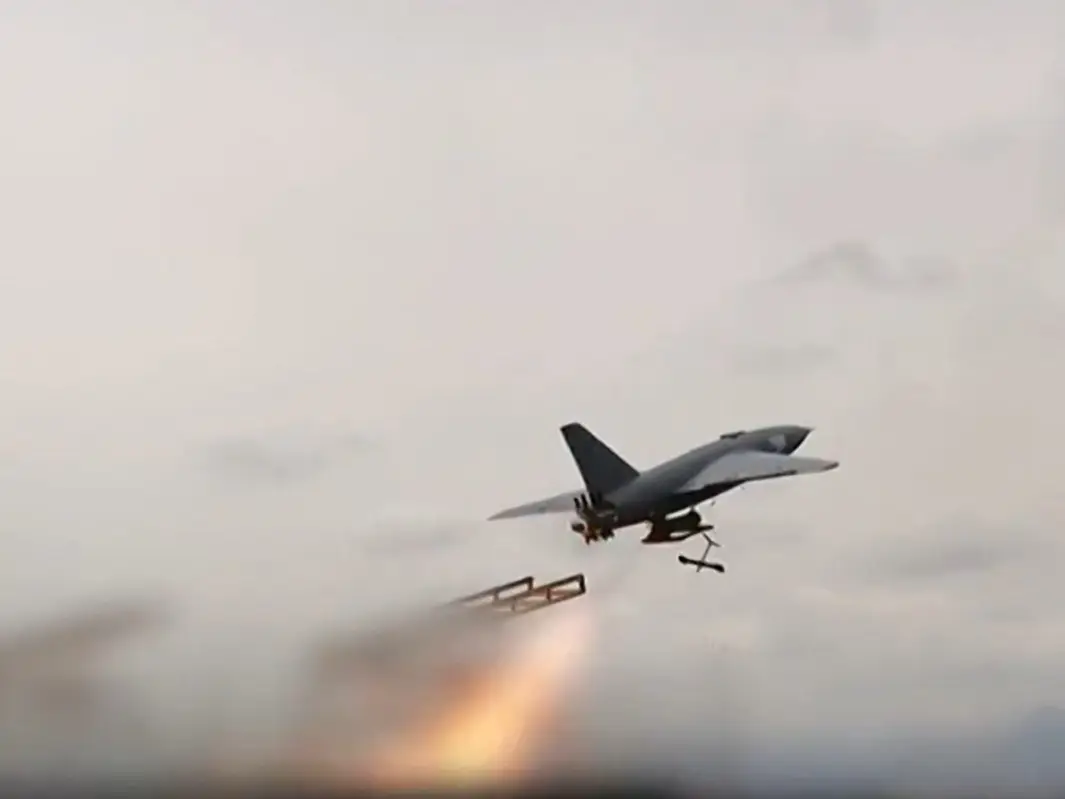
This grab taken from a video relesed by Iran's state broadcaster (IRIB) on April 6, 2026, show what it says are drones launched at US targets at Saudi Arabia's Al-Kharj base and Kuwait's Al-Adiri base Photograph: (AFP)
According to report, Saudi Arabia secretly launched retaliatory strikes on Iran during the Middle East war before both sides moved to de-escalate tensions
Saudi Arabia secretly launched a series of retaliatory airstrikes on Iran earlier this year after the kingdom came under repeated missile and drone attacks during the broader Middle East conflict, according to two Western officials and two Iranian officials familiar with the matter. The previously undisclosed operations mark the first known instance of Saudi Arabia directly carrying out military strikes on Iranian territory, signaling a more assertive approach by Riyadh toward its longtime regional rival.
The attacks, reportedly conducted by the Saudi Air Force in late March, were described by one Western official as ‘tit-for-tat strikes in retaliation for when Saudi was hit’.
Reuters could not independently verify the exact targets of the strikes. Responding to questions about the claims, a senior Saudi foreign ministry official did not directly confirm whether the strikes occurred. Iran’s foreign ministry also declined to comment. Saudi Arabia has historically depended heavily on the United States for military protection. However, the 10-week regional war exposed vulnerabilities in the kingdom’s defenses after Iranian missiles and drones reportedly penetrated the US security umbrella. The conflict, which escalated after US and Israeli airstrikes on Iran on February 28, has quietly expanded across the region. According to reports, Iran launched missile and drone attacks against all six Gulf Cooperation Council states, targeting military installations, airports, civilian infrastructure and oil facilities while also disrupting global trade by closing the Strait of Hormuz.
The United Arab Emirates was also reported to have carried out strikes on Iran, indicating that Gulf Arab states hit by Iranian attacks began retaliating militarily. Still, Saudi Arabia pursued a more cautious strategy than the UAE, maintaining diplomatic communication with Tehran while trying to avoid a broader regional escalation.
A senior Saudi official reiterated Riyadh’s position, stating: “We reaffirm Saudi Arabia’s consistent position advocating de-escalation, self-restraint and the reduction of tensions in pursuit of the stability, security and prosperity of the region and its people.” Iranian and Western officials said Saudi Arabia informed Tehran about the strikes in advance, which was followed by intense diplomacy and warnings of further retaliation. These discussions reportedly led to an informal understanding between the two countries to reduce tensions.
Trending Stories
&imwidth=280&imheight=210&format=webp&quality=medium)
&imwidth=280&imheight=210&format=webp&quality=medium)
&imwidth=280&imheight=210&format=webp&quality=medium)
&imwidth=280&imheight=210&format=webp&quality=medium)
&imwidth=280&imheight=210&format=webp&quality=medium)
&imwidth=280&imheight=210&format=webp&quality=medium)
&imwidth=280&imheight=210&format=webp&quality=medium)
&imwidth=280&imheight=210&format=webp&quality=medium)
&imwidth=280&imheight=210&format=webp&quality=medium)
&imwidth=280&imheight=210&format=webp&quality=medium)
&imwidth=280&imheight=210&format=webp&quality=medium)
&imwidth=280&imheight=210&format=webp&quality=medium)
&imwidth=280&imheight=210&format=webp&quality=medium)
&imwidth=280&imheight=210&format=webp&quality=medium)
&im=FitAndFill=(700,400)&imwidth=280&imheight=210&format=webp&quality=medium)
&imwidth=280&imheight=210&format=webp&quality=medium)
&imwidth=280&imheight=210&format=webp&quality=medium)
&imwidth=280&imheight=210&format=webp&quality=medium)
&imwidth=280&imheight=210&format=webp&quality=medium)
&imwidth=280&imheight=210&format=webp&quality=medium)
&imwidth=280&imheight=210&format=webp&quality=medium)
&imwidth=280&imheight=210&format=webp&quality=medium)
&imwidth=280&imheight=210&format=webp&quality=medium)
&imwidth=280&imheight=210&format=webp&quality=medium)
&imwidth=280&imheight=210&format=webp&quality=medium)
&imwidth=280&imheight=210&format=webp&quality=medium)
&imwidth=280&imheight=210&format=webp&quality=medium)
&imwidth=280&imheight=210&format=webp&quality=medium)
&imwidth=280&imheight=210&format=webp&quality=medium)
&imwidth=280&imheight=210&format=webp&quality=medium)
&imwidth=280&imheight=210&format=webp&quality=medium)
The de-escalation reportedly started shortly before Washington and Tehran agreed to a broader ceasefire on April 7. One Iranian official said the understanding aimed to “cease hostilities, safeguard mutual interests, and prevent the escalation of tensions.” Relations between Iran and Saudi Arabia have long been shaped by sectarian and geopolitical rivalry, with both powers backing opposing factions in regional conflicts. Saudi Arabia has also managed to keep oil exports flowing during the conflict because shipping through the Red Sea remained largely uninterrupted.
Tensions had been building for weeks before the strikes. On March 19, Saudi Foreign Minister Faisal bin Farhan warned that the kingdom “reserved the right to take military actions if deemed necessary.” Days later, Saudi Arabia expelled Iran’s military attaché and four embassy officials. Western officials said diplomatic engagement and Saudi threats of further retaliation eventually contributed to a sharp decline in attacks on the kingdom. Western sources said many of the projectiles launched toward Saudi Arabia shortly before the ceasefire were believed to have originated from Iraq rather than Iran directly, suggesting Tehran scaled back direct involvement while allied militias remained active.
Iran rejects Kuwait’s ‘baseless’ claims over Bubiyan Island incident
Iran on Tuesday dismissed as ‘absolutely baseless’ allegations made by Kuwait that four Iranian officers attempted to infiltrate Bubiyan Island, insisting the individuals entered Kuwaiti waters due to disruptions in their navigational systems. In a statement, Iran’s foreign ministry said it strongly condemns the improper action of the Kuwaiti government in politically and propagandistically exploiting the case. Kuwaiti authorities had arrested the four men earlier this month and on Tuesday accused them of being officers linked to Iran’s Revolutionary Guards.
Disclaimer: WION takes utmost care to accurately and responsibly report ongoing conflicts in West Asia involving Israel, Iran, the US, Gulf nations, and non-state actors like Hezbollah, Hamas, Houthis, Islamic State, and others. Claims and counterclaims, disinformation and misinformation are being made online and offline. Given this context, WION cannot independently verify the authenticity of all statements, social media posts, photos, and videos.

