What will happen to Earth when the Sun dies?

The Sun will die in about 5 billion years, swelling into a red giant and burning Earth’s oceans dry. Life will end long before the Sun’s outer layers fall off, leaving a white dwarf star. Know what this means for our planet.
How Long Until the Sun Dies?
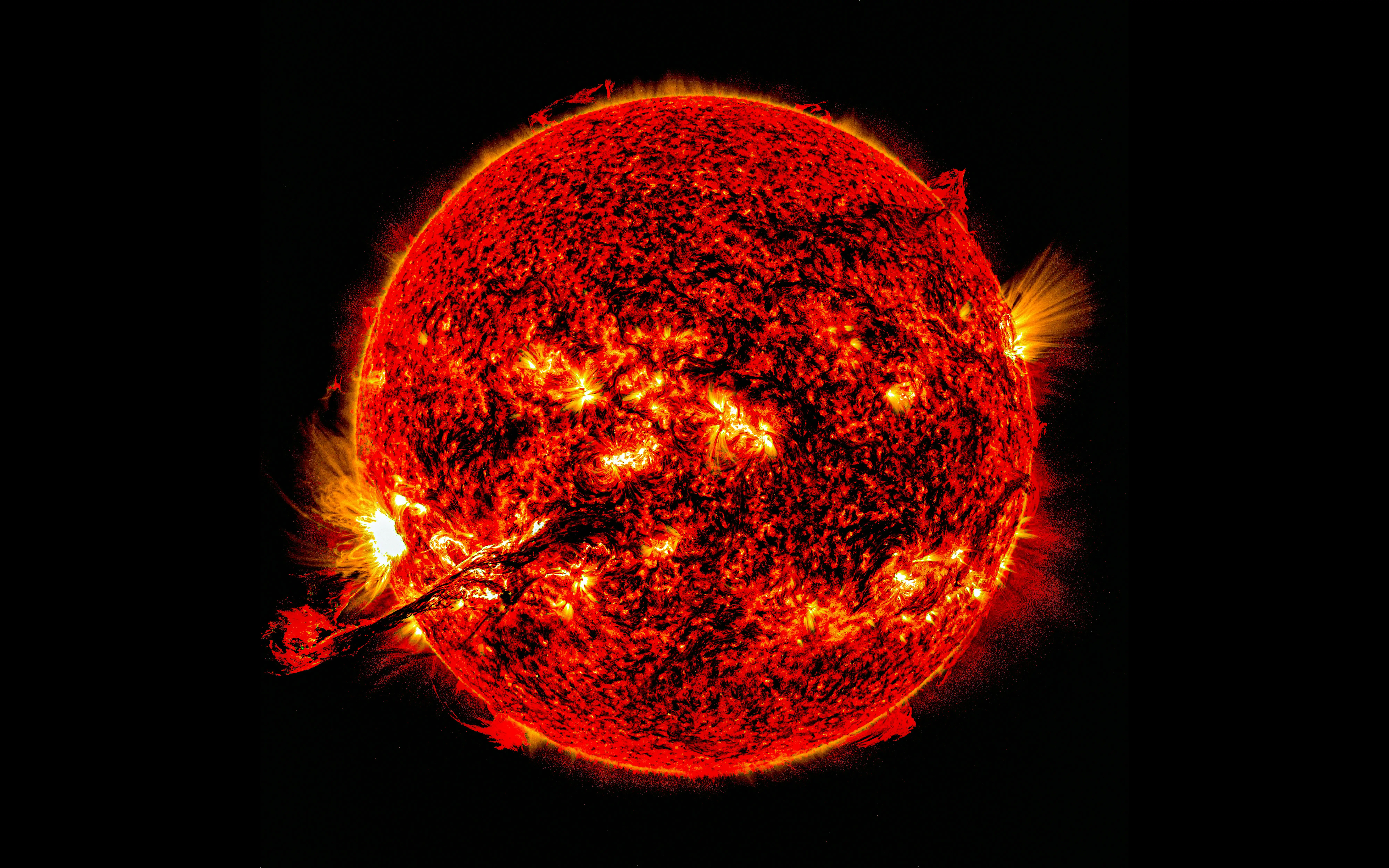
According to NASA, the Sun will begin to die in about 5 billion years. It will run out of hydrogen, its main fuel, and start to change slowly. This will have major effects on Earth in the far future.
The Sun Expands Into a Red Giant
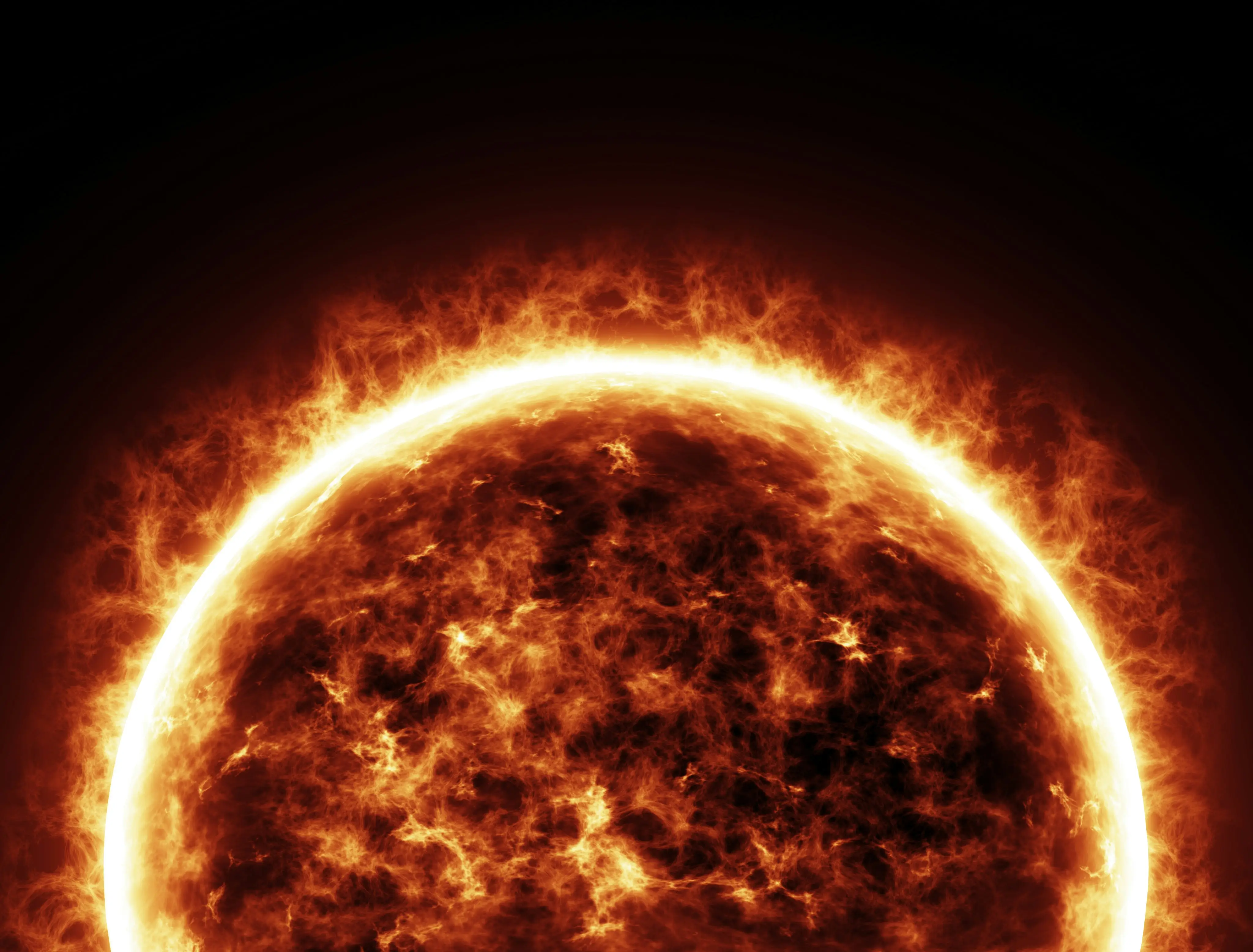
According to space research by NASA, when the Sun runs low on fuel, it will swell to become a red giant star. It will grow 100 to 150 times bigger than its current size, possibly swallowing Mercury, Venus, and Earth.
Earth Gets Hotter and Hotter
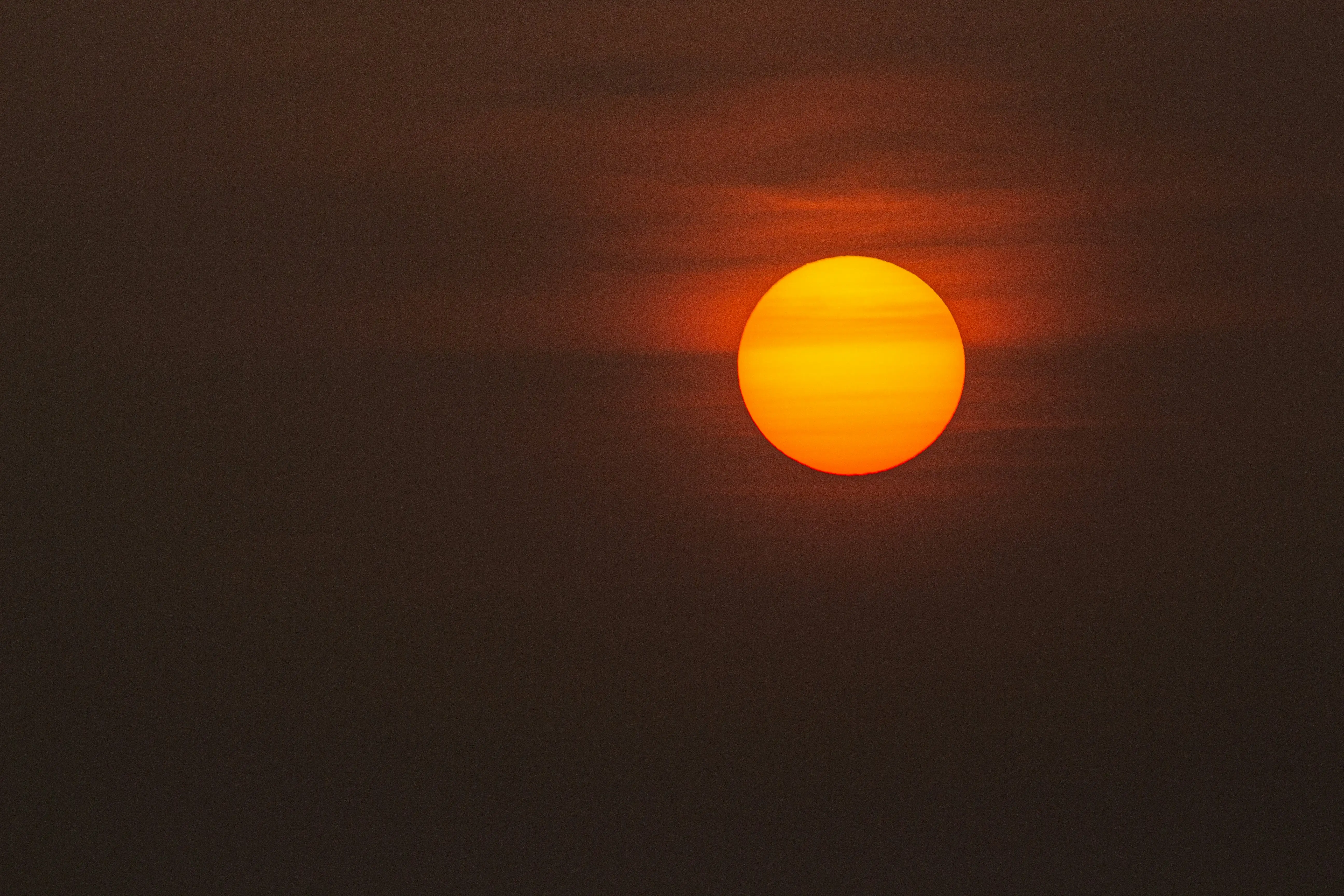
According to NASA studies, before being engulfed, the Earth will heat up as the Sun grows larger. Oceans will evaporate, and the atmosphere will thin. Life as we know it will not survive as temperatures rise.
Oceans Boil Away
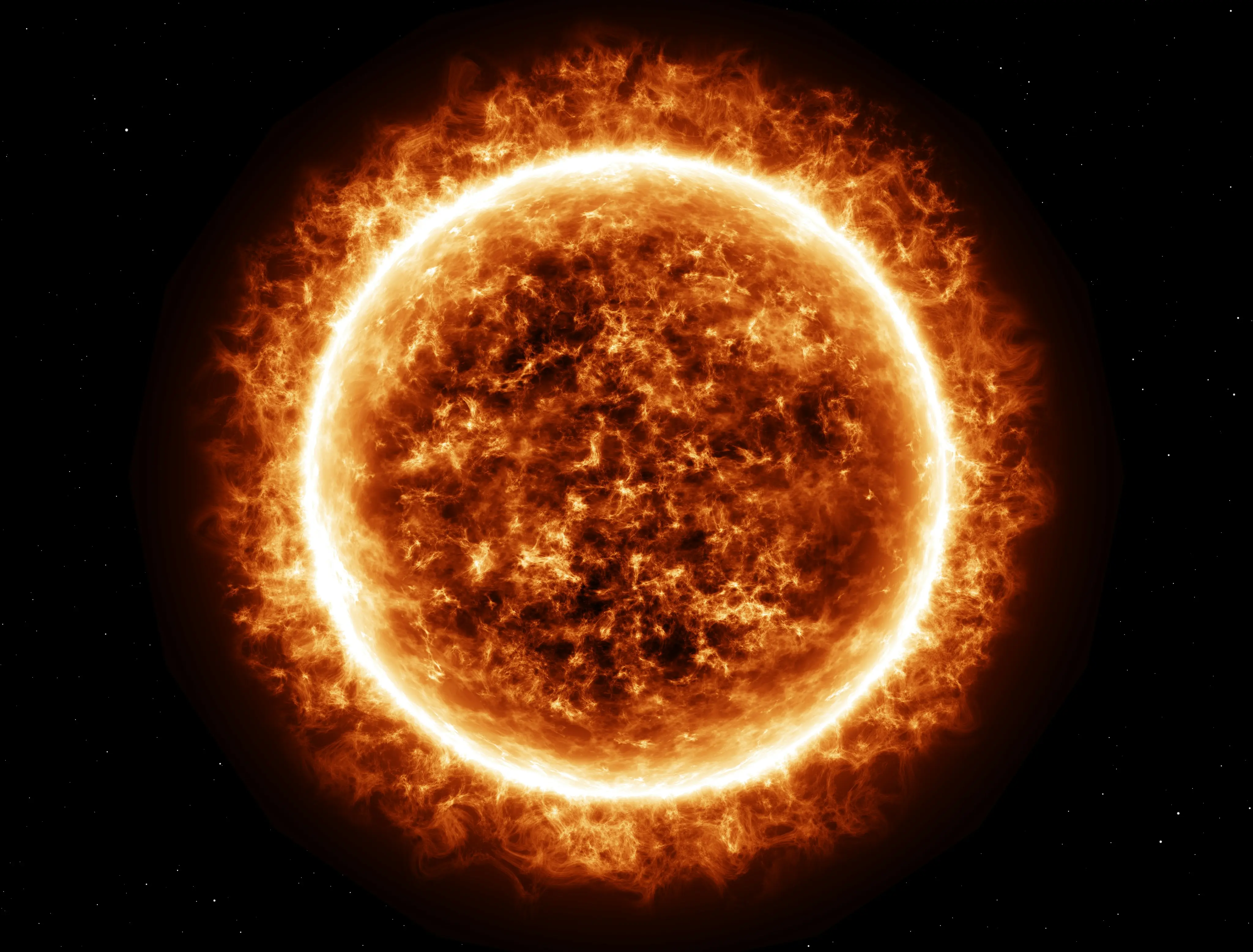
According to NASA’s supercomputer models, in about 1 billion years, the Sun’s brightness will cause oceans on Earth to boil away. The loss of water will make the planet dry and unable to support life.
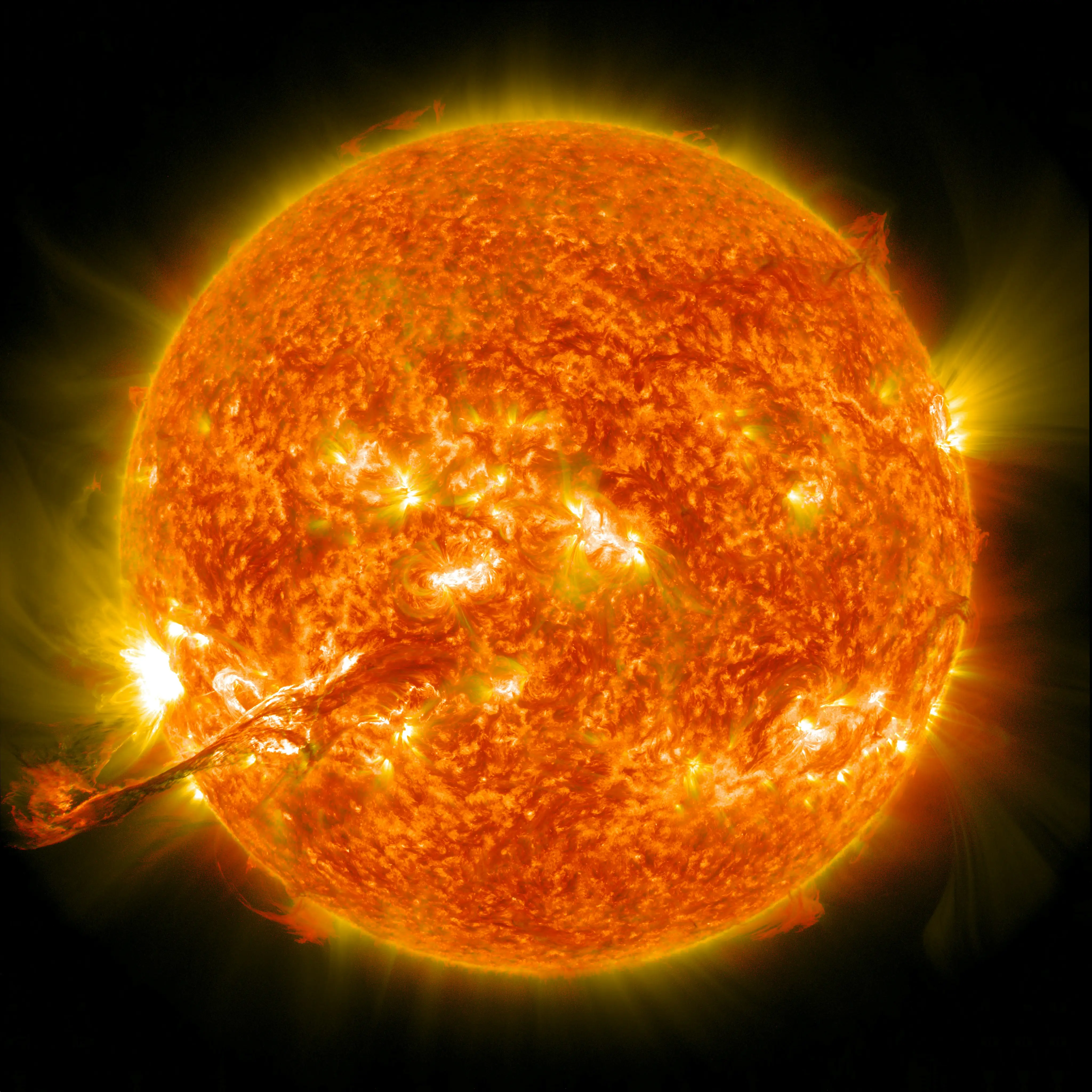
The Sun Loses Its Outer Layers
According to astronomers and NASA, after the red giant phase, the Sun will shed its outer layers. These layers will form colourful clouds called planetary nebulae. The Sun’s core will then become a white dwarf star.

Earth’s Orbit May Change
According to NASA, as the Sun loses mass, Earth’s orbit will move farther from the Sun. However, the effects of the red giant phase mean Earth may not survive, even with this shift in distance.
A New Beginning from the End
According to NASA, the death of the Sun marks the end of its life cycle. The material it sheds might form new stars and planets. Meanwhile, the Earth’s story will end with the Sun’s final transformation into a white dwarf.
)
)
)
)
)