RBI foresees 8 pc growth amid global slowdown, signals shifts in consumer demand

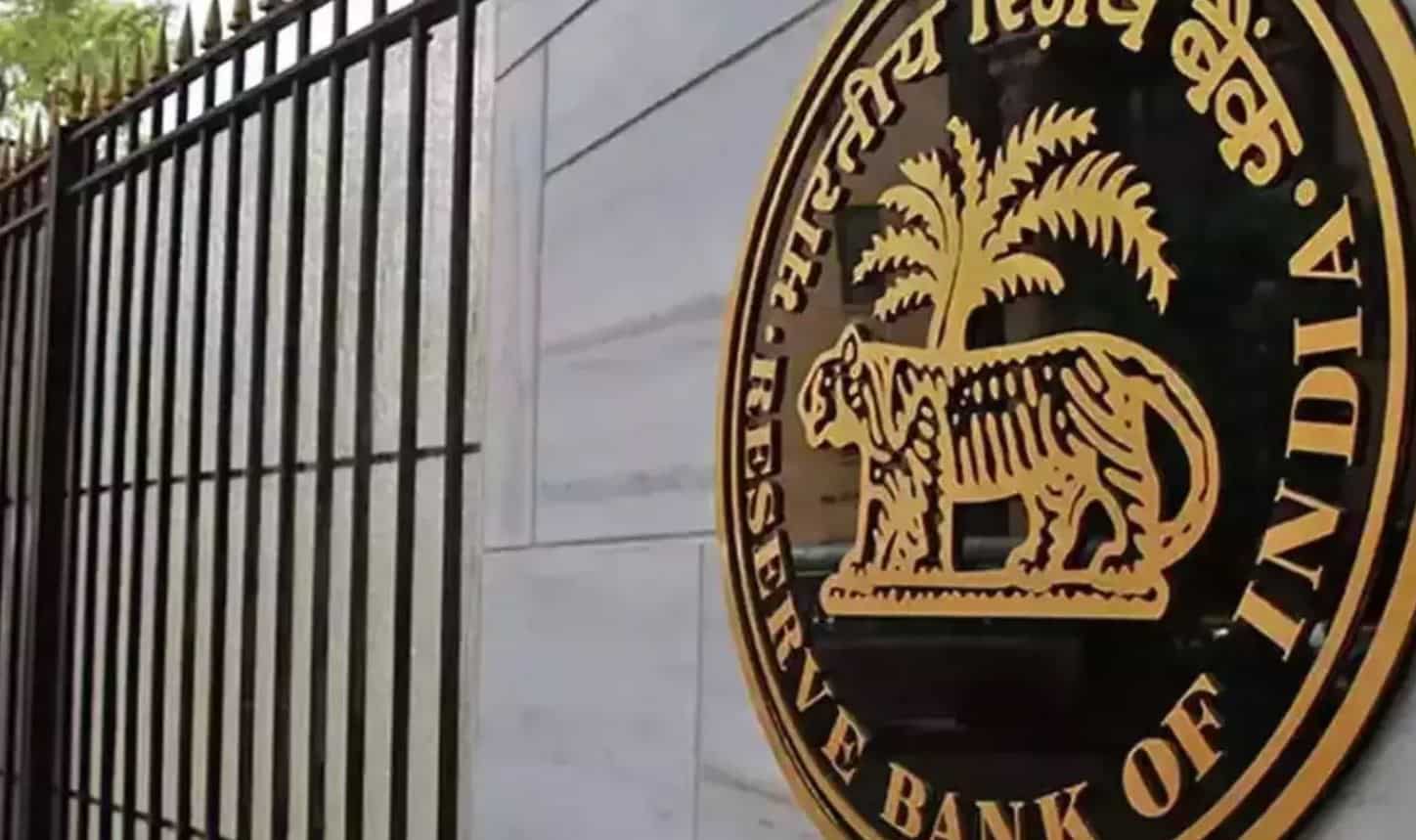
Reserve Bank of India (RBI)- File photo
In a recent report by the Reserve Bank of India (RBI), the country's economic prospects have been painted with a bright hue, forecasting sustained GDP growth of 8 per cent.
Despite a global economic slowdown and geopolitical tensions, the RBI remains optimistic about India's macroeconomic stability, pointing towards a conducive environment for growth.
Here are the key insights provided by the RBI's bulletin, highlighting the factors driving India's economic momentum.

Stellar growth prospects amid global slowdown
The RBI's monthly bulletin highlighted India's resilience in the face of a sluggish global economy.
While major economies grapple with dwindling growth rates, India stands firm, with its GDP averaging above 8 per cent from FY21 to FY24.
)
FACT CHECK: Why did PM Modi ask Xi ‘is it okay’ at BRICS Summit? New video reveals...
)
Tirupati Laddu ghee adulterated with chemicals, says ED, supplier arrested
Russia attacks Ukraine with 174 drones, kills 8; 2 vessels hit in Black Sea
)
Flying cars in UAE: Ras Al Khaimah signs deal with Chinese company to test new transport
)
New brain discovery could aid neurological disease studies
)
Trump signs Russia sanctions bill into law, targets Moscow’s energy sector
)
Why Ranveer Singh’s Dhurandhar missed India’s Oscar entry; FFI jury member reveals what happened
)
Trump extends H-1B visa's $100,000 fee until September 2027: What it means for Indians?
)
Trump 2.0: Dark days ahead for America’s ‘imperial presidency’
)
Trump bans CNN, MS NOW and Politico from White House over ‘FAKE NEWS’
)
Iran rebuilding nuclear facilities? New satellite images show Tehran may be rapidly restoring bombed Parchin base
&im=FitAndFill=(700,400))
Meet top 5 Indian batters with fastest T20I centuries
)
How did an Australian river with 500 crocodiles pass the Olympic test? Here's how
)
Reacher star Alan Ritchson opens up about alleged blackmail, suicide attempt during difficult period
)
Oxford United's new clothing line featured 'United 93' phase
)
Putin: European leaders using war rhetoric to save falling ratings
&im=FitAndFill=(700,400))
How many F-35s does Britain, Japan and Israel have?
)
Brigitte Bardot’s private collection set for Paris auction; key items and prices revealed
)
NASA research plane reaches 61,000 feet over Panama
)
‘Will go to any extent’: Pakistan vows to defend Saudi Arabia amid Houthi attacks
)
Arvind Kejriwal, family members, Delhi CM Rekha Gupta get SIR notices
)
Russia extends ban on Western food imports for two more years in extended sanctions countermeasure
)
Russia holds first parliamentary elections since the beginning of the Ukraine war
)
The Verdict | When precision fails: US commits war crime in Minab school strike, UN finds
66 years of the Indus Waters Treaty: How India and Pakistan settled a bitter river dispute
)
Mark Carney mimics Trump in hilarious moment over C$70 billion clean-energy investment; room erupts in laughter
)
Pak: A series of counter terrorism operations in Khyber Pakhtunkhwa
)
Trump announces ‘AI Force’ as debate grows over AI risks and regulation
)
Cochin shipyard starts building Indian Navy's next-gen missile vessels
)
IIT Bombay student dies by suicide, was caught seeking AI help during exams
)
Drone strikes cooling tower at Russia's Kursk Nuclear Plant, IAEA confirms
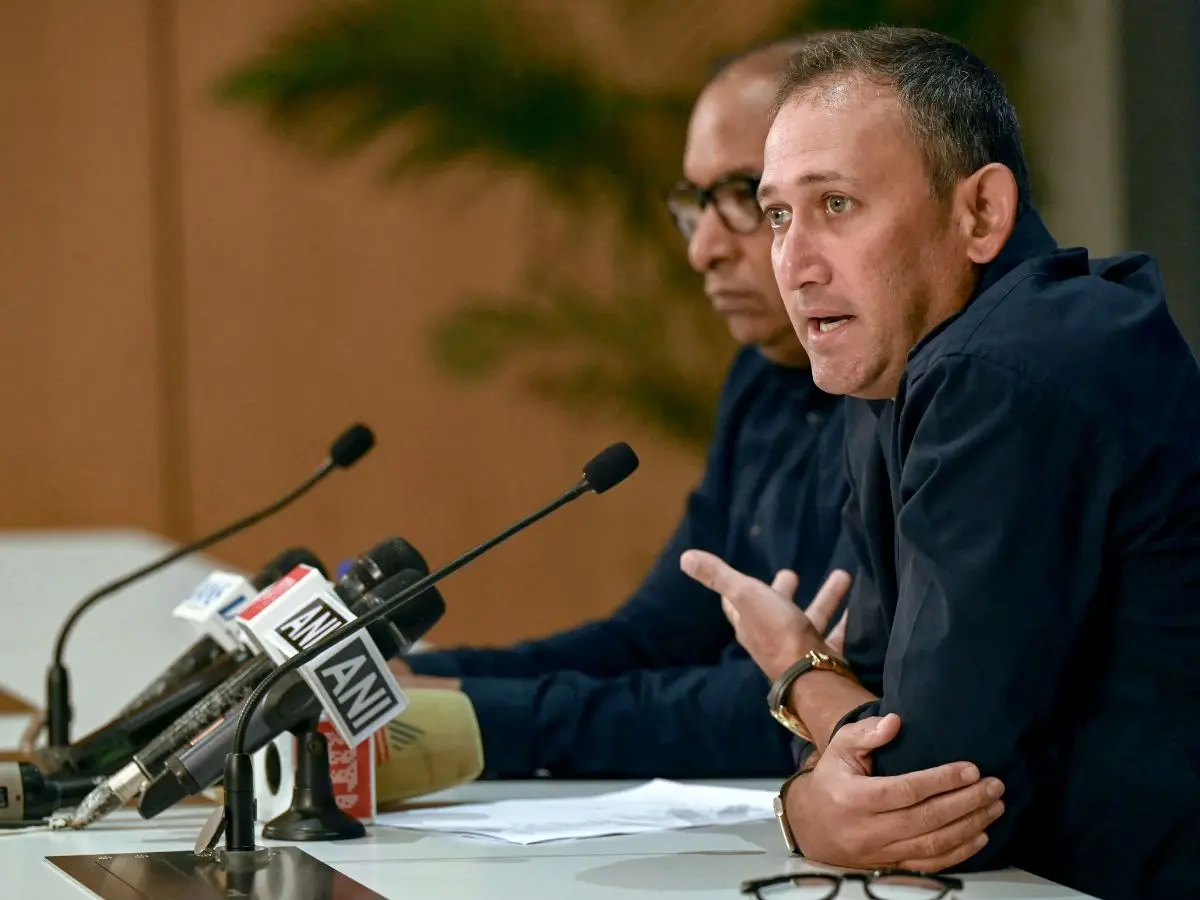)
Ajit Agarkar’s future as chief selector to be decided at right time, says BCCI secretary
)
Pentagon revives mandatory testosterone testing for male troops aged 30 and above
)
It's a girl! Deepika Padukone and Ranveer Singh welcome their second child
)
China may have gained access to US's classified F-35 jets; parts meant for repairs diverted to Hong Kong, sparking Pentagon inquiry
)
Africa is splitting, and a lot sooner than estimated, giving way to a new ocean
)
)
The bulletin noted the sustainability of this growth trajectory, citing strong demand visibility and favourable macroeconomic indicators.
Despite global headwinds, India's economic fundamentals remain strong, fostering an environment conducive to further expansion.
Consumer demand dynamics
A notable aspect highlighted by the RBI is the evolving landscape of consumer demand within India.
While the domestic Fast-Moving Consumer Goods (FMCG) sector may witness a moderation in the coming months, the demand outlook for premium consumer businesses appears resilient.
The central bank attributes this shift to significant per capita income changes underway in the country.
Moreover, despite the festive season, private final consumption expenditure remains subdued, signalling nuanced patterns in consumer behaviour.
Challenges amidst opportunities
Amidst the promising growth outlook, the RBI acknowledged prevailing challenges and contrasts on both domestic and global fronts.
While capacity utilisation levels across sectors reach a threshold necessitating fresh investments, geopolitical tensions and stubborn inflation abroad pose risks to global growth momentum.
However, despite external uncertainties, India benefits from a favourable macroeconomic configuration, serving as a catalyst for sustained growth.
The central bank reinstated the importance of leveraging this environment to strengthen infrastructure, manufacturing, and technological prowess, thereby transforming challenges into opportunities for long-term prosperity.
Inflation and policy implications
Addressing inflation dynamics, the RBI notes a steady decline in core inflation, which, if not for intermittent food price pressures, would have hastened headline inflation towards the targeted 4 per cent.
This observation underscores the intricacies of inflation management amidst fluctuating commodity prices.
As the central bank navigates these nuances, it emphasises the need for prudent policy measures to ensure stable economic growth while mitigating inflationary risks.