OpenAI negotiates terms with Microsoft for new funding and future IPO

Business & Economy: The ongoing discussions could transform OpenAI's setup, shifting it from its original nonprofit research focus to a mixed business framework.
ChatGPT maker OpenAI and Microsoft are reworking the terms of their multibillion-dollar partnership in high-stakes negotiations that will enable OpenAI to go public in the future while preserving the software giant’s access to artificial intelligence (AI) technology, theFinancial Times reported Sunday.
The outcome of these talks could reshape OpenAI's structure, moving it further from its roots as a not-for-profit research organisation into a hybrid business model. The adjustments to the terms of this partnership are pivotal for OpenAI’s continued growth and its ability to tap into funding.
A central point of contention in the ongoing negotiations is the equity stake Microsoft will hold in OpenAI’s new for-profit entity in exchange for its investment. Since its initial $1 billion investment in OpenAI in 2019, Microsoft has provided further funding, bringing its total investment to around $13 billion. In return, the software giant has gained access to OpenAI’s cutting-edge AI models and products, which are embedded in Microsoft’s offerings. As OpenAI prepares for an IPO, Microsoft is seeking to maintain its substantial access to AI technology, especially as OpenAI’s ambitions grow beyond current capabilities.

Microsoft's priority: AI access
The discussions revolve around revising a key contract, which currently runs through 2030, that governs Microsoft’s rights to OpenAI’s intellectual property and the revenue share model. The Financial Times reported that, according to sources familiar with the negotiations, Microsoft is willing to adjust its equity stake in OpenAI’s for-profit business in exchange for continued access to AI models developed after 2030. This would allow OpenAI to continue evolving its technology while ensuring Microsoft remains a key player in OpenAI’s future.
At the heart of this restructuring is OpenAI’s move toward a more conventional model, departing from its nonprofit origins. This shift is necessary to secure the funding needed to accelerate its work on artificial general intelligence (AGI), a field that could revolutionise numerous industries.
&im=FitAndFill=(700,400)&imwidth=180&imheight=135&format=webp&quality=medium)
What is the real meaning behind Pete Hegseth's tattoos?
&imwidth=180&imheight=135&format=webp&quality=medium)
Zohran Mamdani's Garba dance goes viral as he joins Indian community's Navratri celebrations | WATCH
&imwidth=180&imheight=135&format=webp&quality=medium)
Rafale Marine fighter begins flight trials in Goa ahead of Indian Navy induction
&imwidth=180&imheight=135&format=webp&quality=medium)
SBI confirms data breach: 3,897 records flagged on dark web. Is your money safe?
&imwidth=180&imheight=135&format=webp&quality=medium)
India to develop first indigenous aviation gun for Prachand, Rudra attack helicopters, SSS Defence CEO confirms
&imwidth=180&imheight=135&format=webp&quality=medium)
Man marries off wife of 17 years to her lover in Uttar Pradesh
&imwidth=180&imheight=135&format=webp&quality=medium)
Boeing 737 MAX10 gets FAA certification, deliveries expected to begin in 2027
&imwidth=180&imheight=135&format=webp&quality=medium)
Shastri backs Shami comeback; lauds Bhuvi and warns Bumrah on format workload ahead of World Cup
&imwidth=180&imheight=135&format=webp&quality=medium)
US midterms 2026: Red seats once deemed safe now appear shaky as Republicans spend big on ads
&imwidth=180&imheight=135&format=webp&quality=medium)
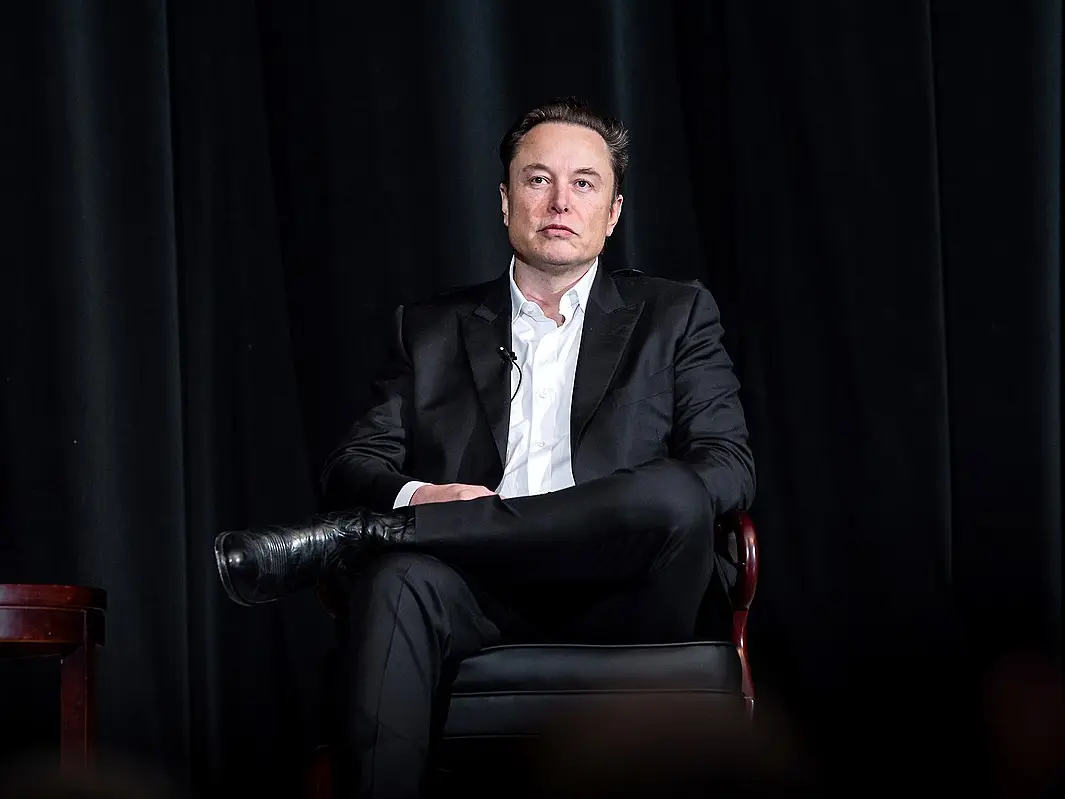
'Tap dancing through a minefield': Musk backs SpaceX-Tesla merger as AI boom fuels rocket firm's first profit
&imwidth=180&imheight=135&format=webp&quality=medium)
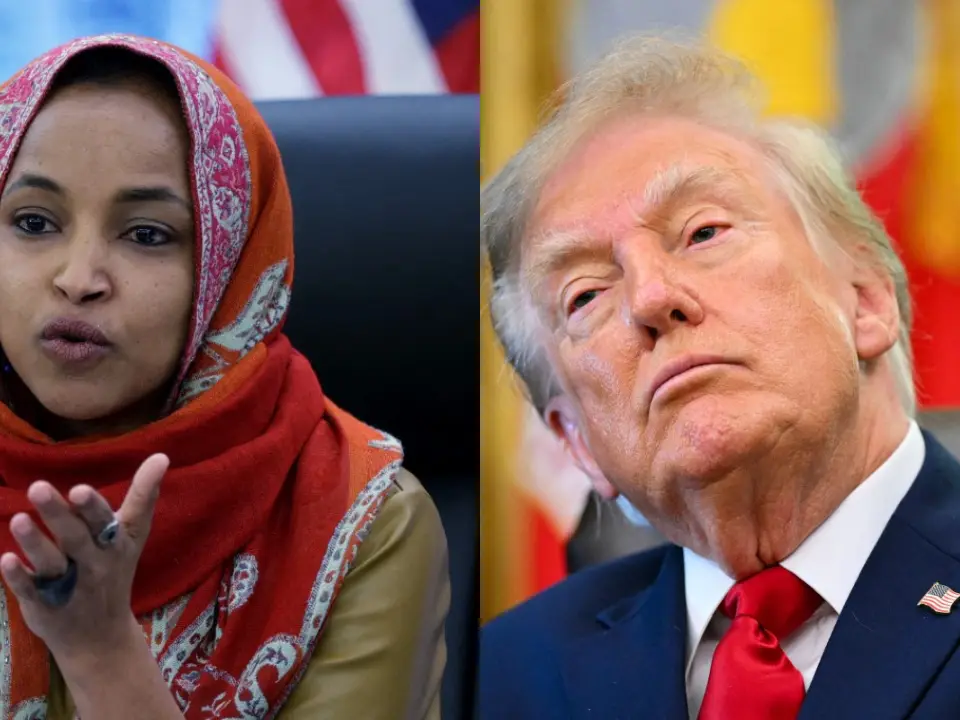
Trump says Ilhan Omar 'could go to jail' amid federal probe, calls Somalia a 's***house'
&imwidth=180&imheight=135&format=webp&quality=medium)
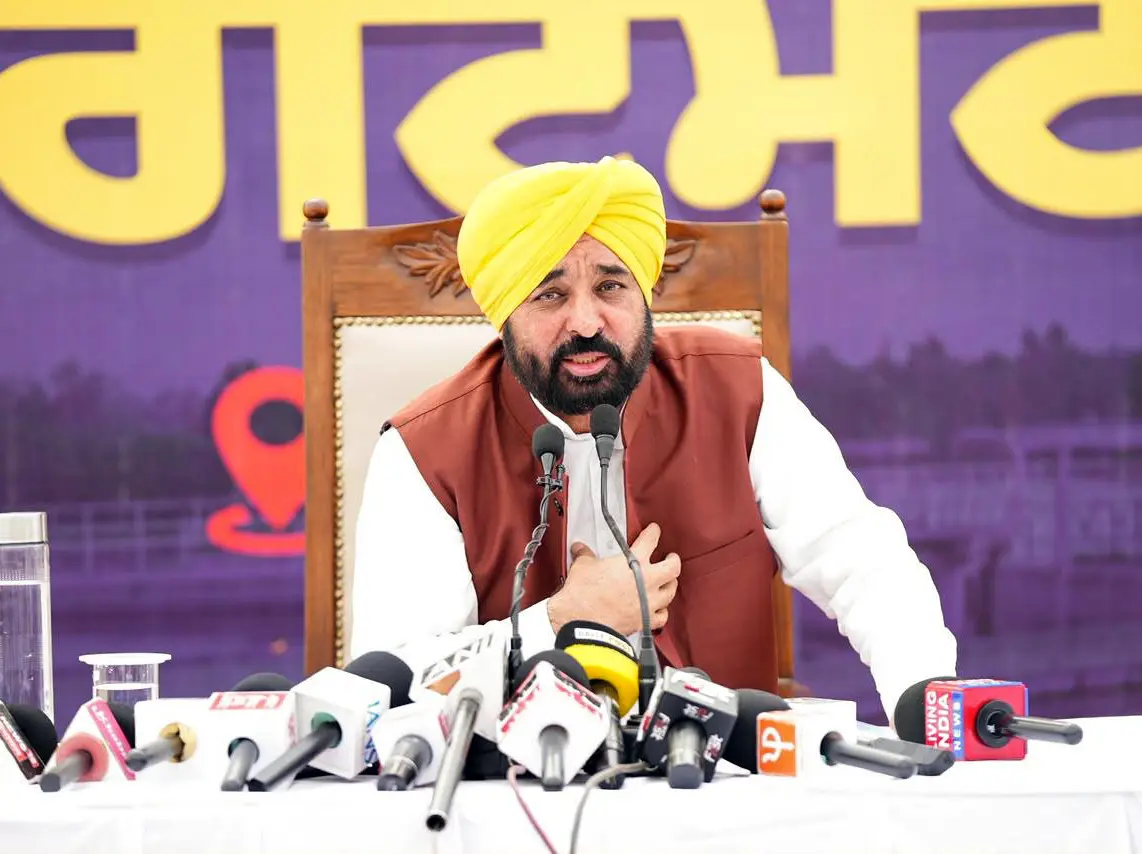
Punjab CM Bhagwant Mann allegedly detained for three hours at Delhi airport, fined ₹50,000: AAP
&imwidth=180&imheight=135&format=webp&quality=medium)
Trump waves at 'empty space' in viral video,' critics claim 'mental decline getting worse' | WATCH
&imwidth=180&imheight=135&format=webp&quality=medium)
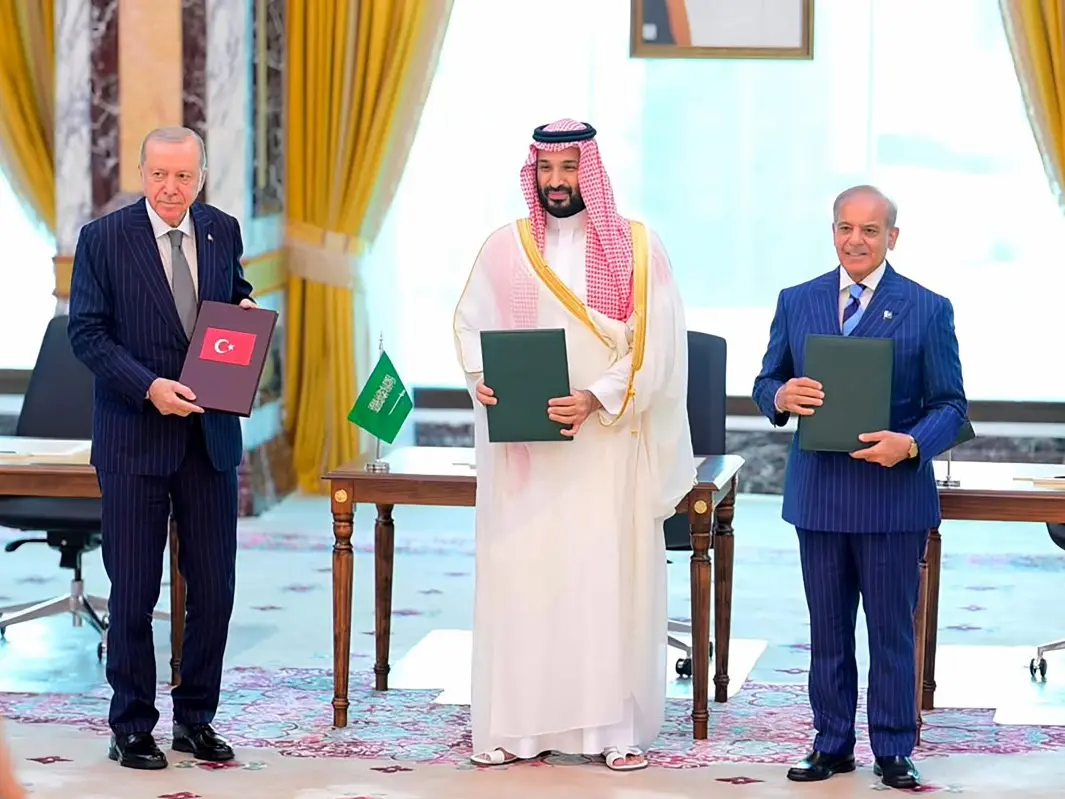
What the Mecca Joint Defence Agreement says about withdrawal and military support. Read full text of the pact here
&imwidth=180&imheight=135&format=webp&quality=medium)
IND vs NZ T20Is: Will Sooryavanshi play? Skipper Shreyas Iyer clears the air on Samson vs Vaibhav debate
&imwidth=180&imheight=135&format=webp&quality=medium)
'You are not Gen Z': Delhi HC pulls up CJP's Das, Ranka over bail bond breach after Jantar Mantar trespass
&imwidth=180&imheight=135&format=webp&quality=medium)
India vs New Zealand T20I Series 2026: Complete schedule, match timings, squads and live streaming details
&imwidth=180&imheight=135&format=webp&quality=medium)
Trump considers removing White House press corps to restore historic indoor swimming pool
&imwidth=180&imheight=135&format=webp&quality=medium)
Ukrainian soldier rescued by a drone chopped off own leg while hiding for 491 days
&imwidth=180&imheight=135&format=webp&quality=medium)
US-Iran war | Tehran: Must end port blockade, oil sanctions and regional attacks
&im=FitAndFill=(700,400)&imwidth=180&imheight=135&format=webp&quality=medium)
Priyanka Chopra to Shilpa Shetty: 6 Bollywood actresses and their fitness secrets
&imwidth=180&imheight=135&format=webp&quality=medium)
Pujara says 'Samson and Vaibhav cannot be in Playing XI' for India on NZ tour
&imwidth=180&imheight=135&format=webp&quality=medium)
'What's wrong with you? Are you a sick person?': Trump at it again as he snaps at reporters, faces backlash
&imwidth=180&imheight=135&format=webp&quality=medium)
US Midterms 2026 and money: From Bloomberg to Musk, corporate donors, super PACs and lobbies, it's all about the cash
&imwidth=180&imheight=135&format=webp&quality=medium)
‘Even legends can fall ill’: Badshah, Anupam Kher and other stars defend Daler Mehndi after Uttarakhand stage controversy
&imwidth=180&imheight=135&format=webp&quality=medium)
'UN experts is an oxymoron': Rubio mocks UN over India protests criticism, refuses to comment on India's internal matter
&im=FitAndFill=(700,400)&imwidth=180&imheight=135&format=webp&quality=medium)
New OTT releases this week (October 19-25, 2026): Gajab Raat to Chaar Yaar-8 titles to watch during Dussehra week on Netflix, Prime Video and more
&imwidth=180&imheight=135&format=webp&quality=medium)
Ukrainian drone airlifts wounded soldier in what is likely a world first
&imwidth=180&imheight=135&format=webp&quality=medium)
The Verdict | Trump, Putin and Xi: A superpower triangle that could reshape global diplomacy
&imwidth=180&imheight=135&format=webp&quality=medium)
India moves to buy 10,000 more AI chips for a national compute pool open to startups
&imwidth=180&imheight=135&format=webp&quality=medium)
'They are not even telling us' - Mysterious metallic object discovered in Minnesota field
&imwidth=180&imheight=135&format=webp&quality=medium)
Hunger makes alcohol more appealing, study finds
&imwidth=180&imheight=135&format=webp&quality=medium)
Cattle-feed bran in biscuits, detergent in milk: FSSAI acts against 3 companies
&imwidth=180&imheight=135&format=webp&quality=medium)
US midterms 2026: With Republicans spending big, Bloomberg opens his wallet for Democrats. Here's how much he is pouring
&imwidth=180&imheight=135&format=webp&quality=medium)
Iran rejects US talks until demands are met, rules out moving enriched uranium out of the country
&imwidth=180&imheight=135&format=webp&quality=medium)
Feds obtain DNA evidence that could prove Ilhan Omar married her brother: Report
&imwidth=180&imheight=135&format=webp&quality=medium)
Ramayana advance booking: Ranbir Kapoor, Yash's film cross $500K ahead of Diwali release
&imwidth=180&imheight=135&format=webp&quality=medium)
French military plane crashes in northeast France, one dead
&imwidth=180&imheight=135&format=webp&quality=medium)
Delhi HC agrees to hear Neha Bora's plea against 'maintain peace' directive on 'urgent basis'
OpenAI’s leadership has been under pressure from investors to prioritise financial growth while still maintaining a social impact focus. Consequently, the company is in the process of converting its business arm into a public benefit corporation (PBC), which would allow it to raise additional funds while balancing profit motives with a public mission.
However, this transition is not without its critics. Former employees and other stakeholders have expressed concerns that shifting toward a profit-driven model may compromise OpenAI’s commitment to developing AI in a manner that benefits humanity as a whole. Despite these concerns, OpenAI executives remain confident that the changes will pave the way for continued innovation and long-term success.
Balancing compliance and values
As OpenAI moves forward with these structural changes, it faces significant pressure from investors, including Microsoft, to ensure that its new structure meets financial expectations. This challenge gets amplified by OpenAI’s need to comply with regulatory oversight. The proposed transition must be evaluated for compliance with laws ensuring that OpenAI’s nonprofit mission remains the core value of the company, even as its business arm becomes more profit-oriented.
The shift to a public benefit corporation model is seen as a strategic attempt to balance these competing interests. OpenAI’s mission to advance AGI while creating value for investors is a delicate balancing act that could have lasting implications for the company’s future. Industry experts warn that failing to implement the proposed changes could stall OpenAI’s ability to attract future investment and hinder its long-term ambitions to compete with major tech players like Google.
Ultimately, OpenAI’s future hinges on its ability to satisfy both investors and critics, navigating the complexities of its evolving corporate structure while still fulfilling its mission. As Microsoft remains a crucial partner in this venture, the outcome of the ongoing negotiations will determine whether OpenAI can successfully transition to a public entity while safeguarding its core values and mission.