

&imwidth=800&imheight=600&format=webp&quality=medium "The wrong question keeps getting asked about Pakistan's navy")
Pakistan Navy briefings follow a familiar script. A new frigate joins the fleet, and the language reaches for words like "milestone" and "capability enhancement." A submarine is handed over, and someone inevitably invokes blue-water aspirations, as though the phrase becomes true through sheer repetition. This ought to be reassuring. Increasingly, it is not, and the reason is worth stating plainly.
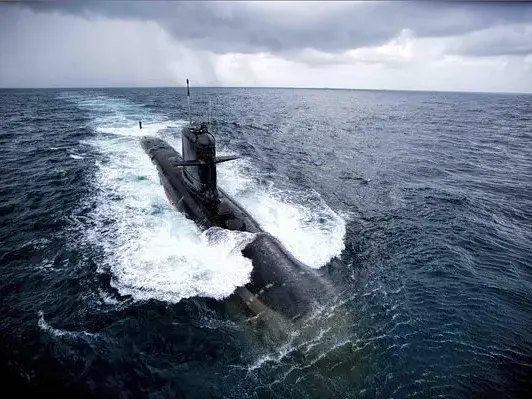
None of this is a case against the hardware itself. The Type 054A/P frigates are genuinely capable ships. The Hangor-class submarines, once fully delivered, will meaningfully shift the undersea balance in the Arabian Sea. The engineering and the procurement logic behind both programs are not in question. What is in question is what these acquisitions are being asked to prove, and how rarely anyone in a position to press the point actually does.
The question worth asking is simple: modernisation toward what end? If the answer is deterrence against a conventional rival, that is a legitimate and defensible goal, and the program should be judged against it directly. But that is rarely how the narrative is framed. It is framed instead as evidence of a maturing, more capable maritime power in general terms, as though "capable" is self-justifying and does not require specifying capable of doing what, for whom.
The gap between these two framings is no longer hypothetical. It surfaces every time the Gulf of Aden or the Bab al-Mandeb produces another headline about a vessel under attack, and Pakistan's navy, for entirely explicable, structural reasons, has nothing to contribute to the response. The fleet was not built to reach that corridor, was not postured to operate there, and by most public accounts has never seriously attempted to. That is not, on its own, a scandal. It is the predictable consequence of where budget and doctrine have been directed for a decade. What comes closer to a scandal is how rarely this is stated outright, rather than allowing the word "modernisation" to imply otherwise by omission.
This pattern is not unique to Pakistan, and the instinct behind it is not especially cynical. Navies generally describe themselves in the most flattering available terms, and "blue-water" is a flattering term. But somewhere in that process, a distinction has been lost: the navy being built and the navy that Pakistan's most exposed citizens, the seafarers and merchant crew who actually cross these dangerous waters for a living, rather than reading about them from a distance, might reasonably expect to exist on their behalf are not automatically the same navy. Few people, pressed directly, would claim otherwise. Yet public discourse proceeds as though they were identical, because acknowledging the difference means admitting that a large and costly modernisation program has left an entire category of exposure essentially untouched.
Fairness requires acknowledging the limits of what any navy can reasonably be asked to do. No serious observer expects Pakistan to sustain an independent expeditionary presence in the Red Sea; the budget does not support it, and the strategic case for attempting it would be weak regardless. But there is a wide, largely unexamined space between doing nothing and projecting blue-water power a thousand kilometres from home, and no serious public accounting of what belongs in that space has yet been offered. A liaison arrangement with the coalition structures already active in the corridor. A monitoring system tracking Pakistani-crewed vessels entering elevated-risk waters. A faster, better-resourced consular and repatriation process for when incidents occur. None of these requires a new hull. All of them require an admission that the current program, whatever its genuine achievements, was not designed with this specific problem in mind.
Trending Stories
&imwidth=180&imheight=135&format=webp&quality=medium)
Viral video shows cross falling on Colombia priest, no official confirmation | WATCH
&imwidth=180&imheight=135&format=webp&quality=medium)
France reports first human case of livestock virus Shamonda, patient dies; what we know so far
&imwidth=180&imheight=135&format=webp&quality=medium)
Two BrahMos missiles on Tejas, triple the range and 100% indigenisation, says former BrahMos CEO
&imwidth=180&imheight=135&format=webp&quality=medium)
India-China face-off continues near Arunachal’s Taksing, reveals ITBP chief in first official confirmation of tensions
&imwidth=180&imheight=135&format=webp&quality=medium)
Ilhan Omar breaks silence over alleged marriage to her brother; Trump thinks it's 'really good answer'
&imwidth=180&imheight=135&format=webp&quality=medium)
WATCH: Trump demands Ilhan Omar removal from Congress for 'using fake name to be sworn in'. So what is her real name?
&imwidth=180&imheight=135&format=webp&quality=medium)
Netanyahu dials PM Modi, invites him and Capt Smit Machchhar to light torch on Israel’s Independence Day
&imwidth=180&imheight=135&format=webp&quality=medium)
Christa Pike's failed execution: Tennessee team struggled to insert IV lines, lawyer says
&imwidth=180&imheight=135&format=webp&quality=medium)
US midterms 2026: US Supreme Court allows New Hampshire to restrict student IDs for voting
&imwidth=180&imheight=135&format=webp&quality=medium)
A secret code, a midnight escape and 300 deaths: The Russian officer who turned on Putin
&imwidth=180&imheight=135&format=webp&quality=medium)
Trump ordered to answer questions under oath in BBC defamation lawsuit by December 11
&imwidth=180&imheight=135&format=webp&quality=medium)
Putin says Russia is ready to resume Ukraine-US peace talks but rejects 'short ceasefire' amid deadly attacks
&imwidth=180&imheight=135&format=webp&quality=medium)
Horrific video shows the moment 18-year-old fell to her death from Mexico amusement park ride
&imwidth=180&imheight=135&format=webp&quality=medium)
From Agni-V to Project Kusha: How are India’s indigenous missile systems and defence shield reshaping modern warfare
&imwidth=180&imheight=135&format=webp&quality=medium)
'It's a crime not to see this scene': Tehran puts Trump 'behind bars'
&imwidth=180&imheight=135&format=webp&quality=medium)
What is the ‘heat ray’ weapon? Pete Hegseth reportedly authorises DHS to test it at US-Mexico border
&imwidth=180&imheight=135&format=webp&quality=medium)
Koffee With Karan 9: Rashmika Mandanna calls trolling over South Indian accent ‘unreasonable’
&imwidth=180&imheight=135&format=webp&quality=medium)
Meghan Markle’s father Thomas under investigation over alleged child abuse images: Report
&imwidth=180&imheight=135&format=webp&quality=medium)
SA vs AUS 2nd Test: Temba Bavuma reveals 'Tendulkar inspiration' behind career-best 179
&imwidth=180&imheight=135&format=webp&quality=medium)
China's dancing robot turns violent bodyguard, lifts cars and fights intruders - Watch
&imwidth=180&imheight=135&format=webp&quality=medium)
Watch: India rejects ‘imprecise and unsupported’ references in UN migrant rights report
&imwidth=180&imheight=135&format=webp&quality=medium)
US to get 850 F-35 stealth fighter jets under 10-year Pentagon-Lockheed deal
&imwidth=180&imheight=135&format=webp&quality=medium)
GRAVITAS | Putin fires nuclear-capable hypersonic missiles, Zelensky ready to surrender 25% territory
&im=FitAndFill=(700,400)&imwidth=180&imheight=135&format=webp&quality=medium)
New Friday OTT releases (October 23, 2026): Gajab Raat, Dorothy, Chaar Yaar- Watch these 6 new movies and TV shows on Netflix, Prime Video and more
&im=FitAndFill=(700,400)&imwidth=180&imheight=135&format=webp&quality=medium)
Serbia elections: Nearly 150,000 people take to streets in massive rally against Aleksandar Vucic | In pics
&imwidth=180&imheight=135&format=webp&quality=medium)
BCCI’s CoE cautious over Hardik Pandya’s fitness, sets expected comeback timeline
&imwidth=180&imheight=135&format=webp&quality=medium)
'This is despicable': Amy Acton hits back at Vivek Ramaswamy over Ohio campaign ad featuring her estranged mother
&imwidth=180&imheight=135&format=webp&quality=medium)
Finance influencer dies by suicide in Chennai; father accuses tech CEO, who denies charge
&imwidth=180&imheight=135&format=webp&quality=medium)
'Vivek should keep it up': Trump defends Ramaswamy's controversial campaign ad targeting Amy Acton
&imwidth=180&imheight=135&format=webp&quality=medium)
One man, 8 months of work, and a river dirty again: Why Bittu Tabahi may quit
&imwidth=180&imheight=135&format=webp&quality=medium)
US midterms 2026: Elon Musk’s political spending hits $445 million as Republicans battle to retain Senate control
&imwidth=180&imheight=135&format=webp&quality=medium)
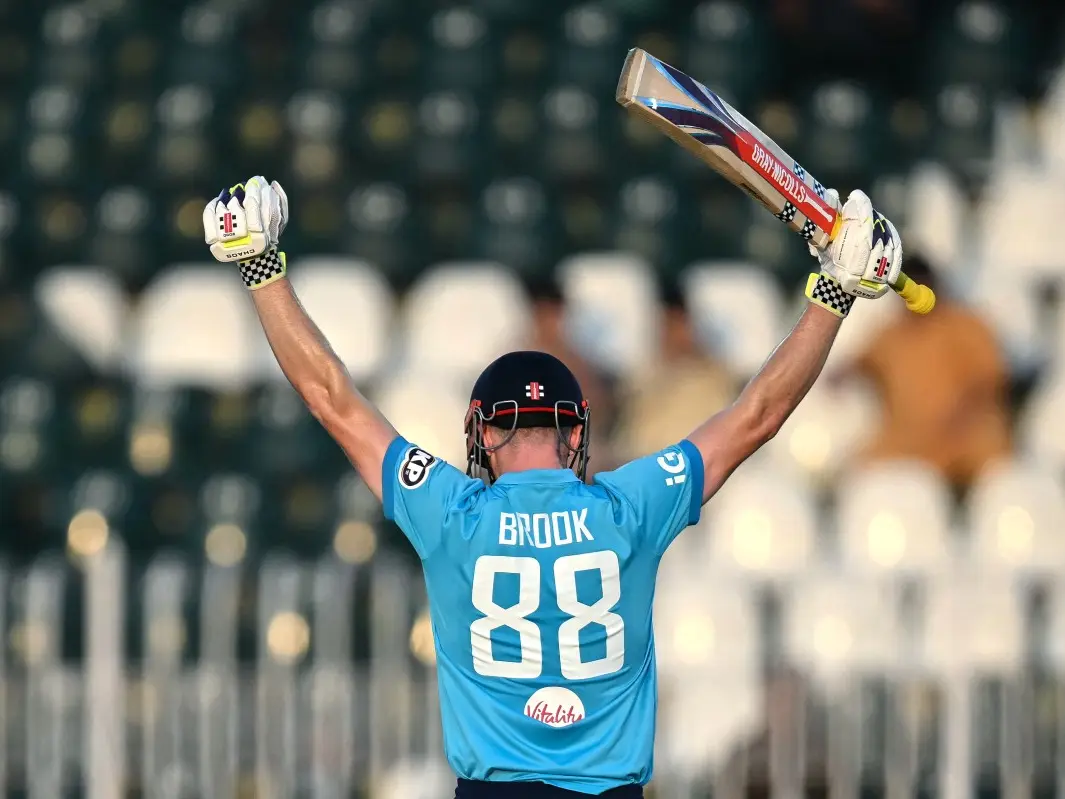
ENG vs SL: Harry Brook breaks Shubman Gill’s record for fastest ODI double century
&imwidth=180&imheight=135&format=webp&quality=medium)
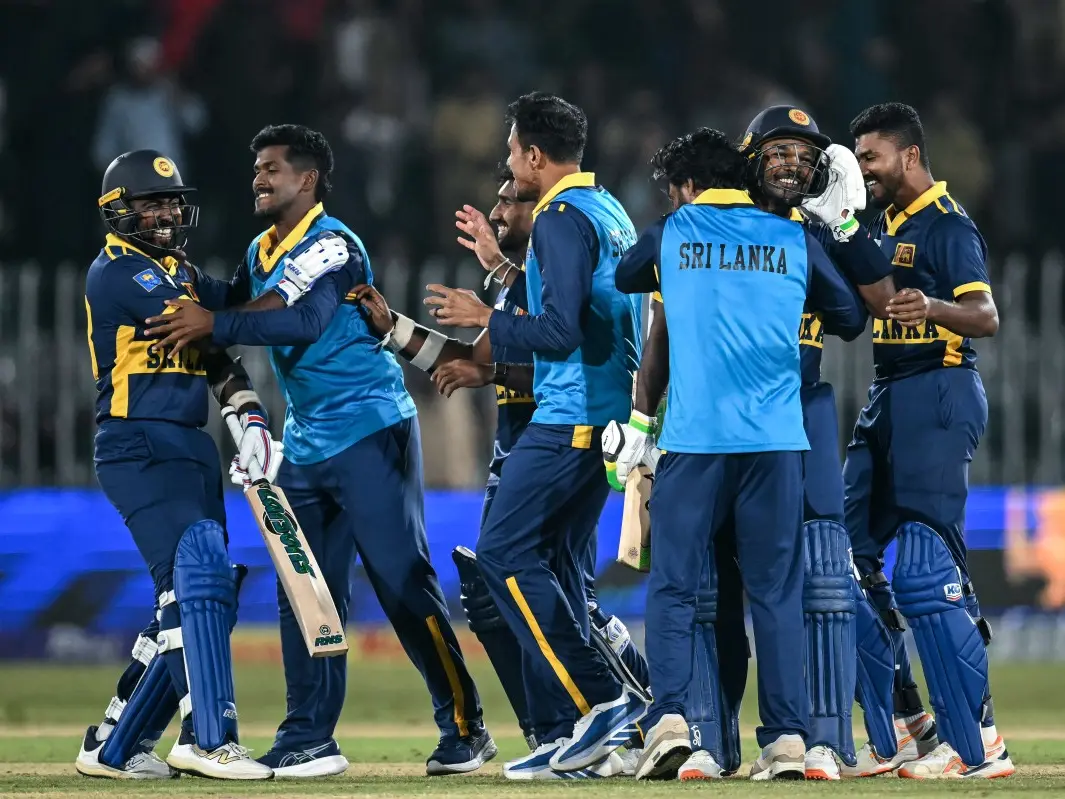
ENG vs SL: Harry Brook’s 202 goes in vain as Sri Lanka pull off second-highest ODI chase
&imwidth=180&imheight=135&format=webp&quality=medium)
450 villagers in UP rush to take anti-rabies shots after consuming 'charnamrit'
&imwidth=180&imheight=135&format=webp&quality=medium)
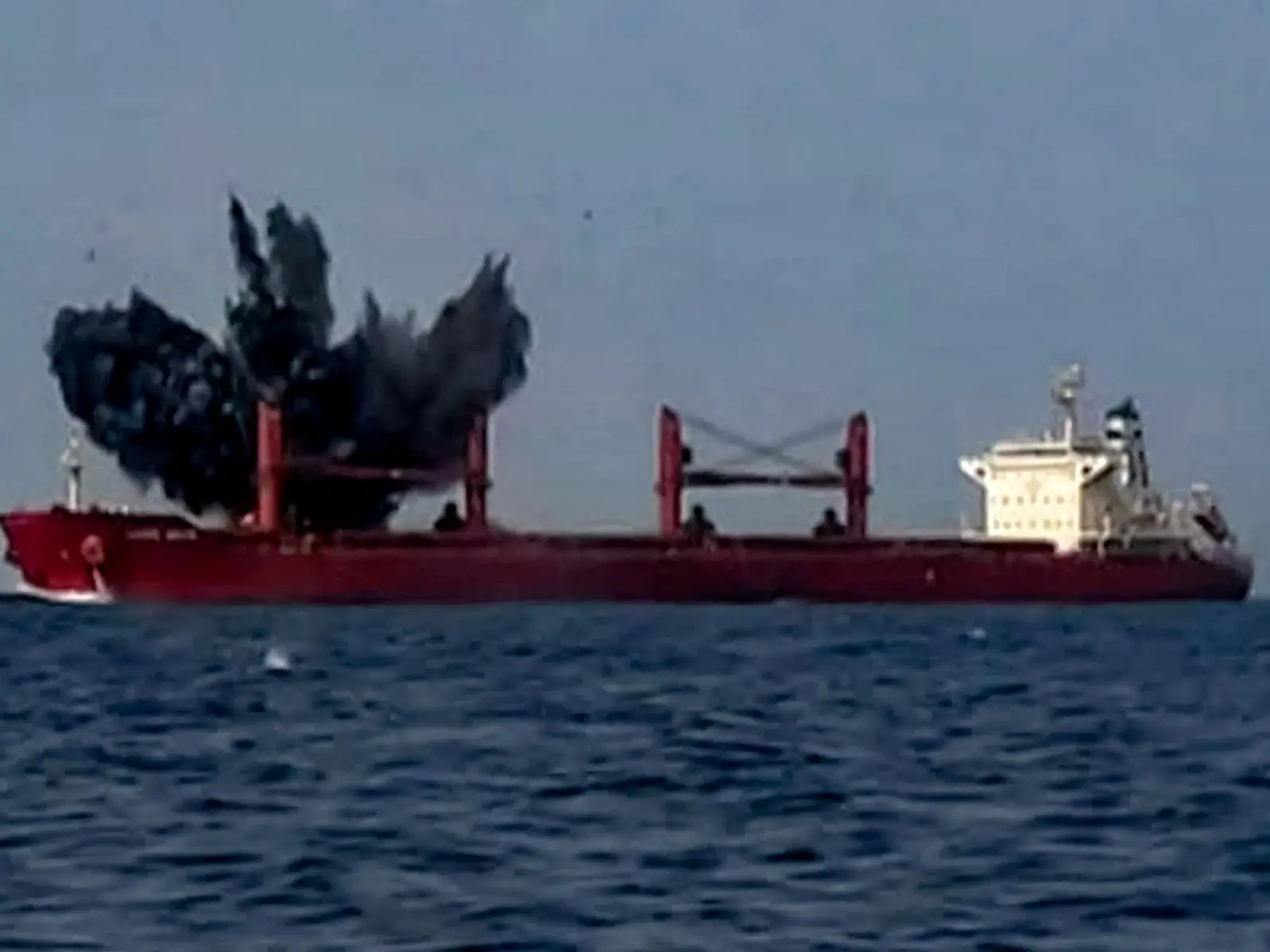
Saudi Arabia targeted yacht carrying 14 Indians in Red Sea, rescue underway, Houthis claim
That admission is unlikely to come from within the institution itself; commissioning ceremonies are not natural settings for self-audit, and the incentives working against it are well understood. But the question needs to keep being asked from outside, because the cost of not asking is not abstract. It surfaces, with some regularity now, in a corridor far from where the newest frigates operate, and it will keep surfacing there until "modernisation" comes to mean something more specific than it currently does.