Why the B-2 bomber needs 120 hours of maintenance for every hour of flight

Each flight hour exacts a colossal burden of preparation and upkeep, revealing a hidden story of complexity, cost, and fragility that contrasts starkly with its fearsome reputation.
Introduction
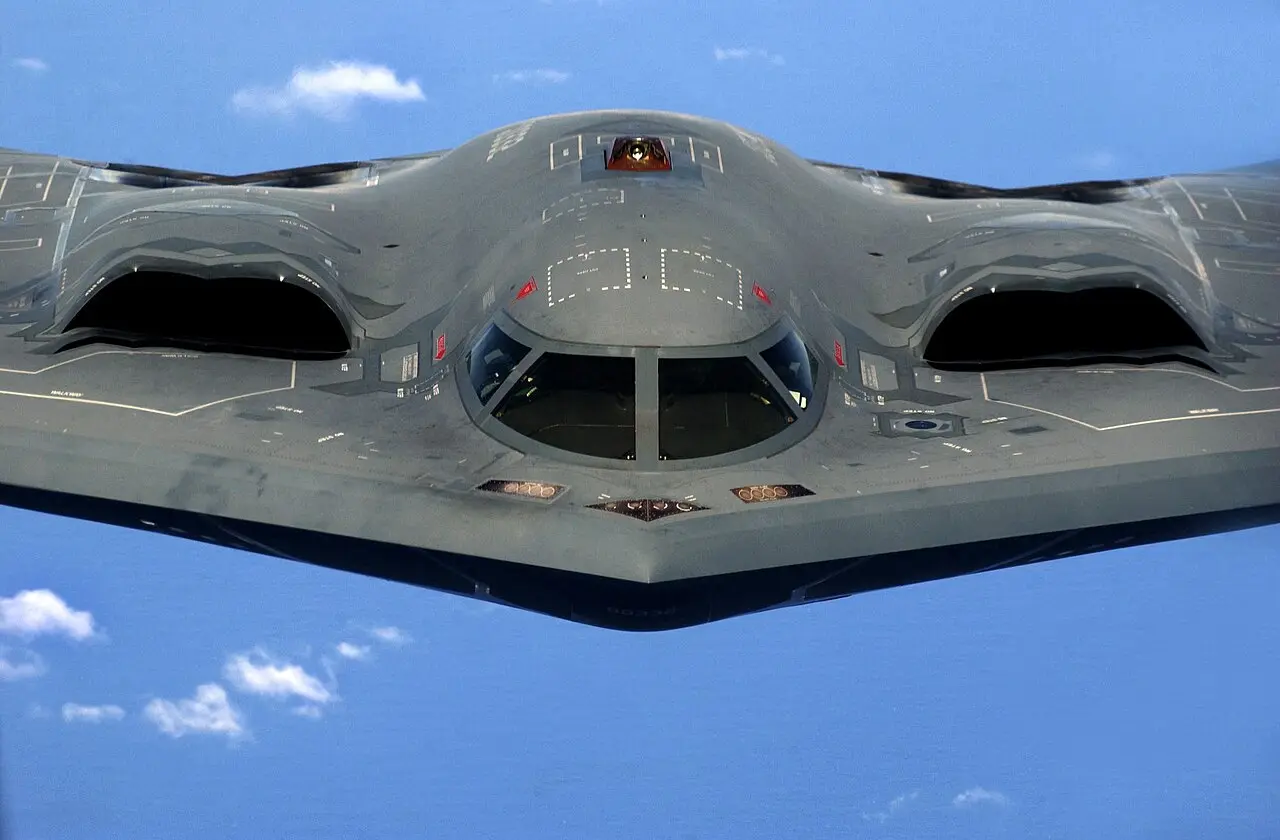
The B-2 Spirit, America’s most advanced stealth bomber, is celebrated for its ability to slip undetected through the world’s most formidable defences and deliver nuclear or conventional strikes anywhere on the globe. Yet behind its aura of invincibility lies a little-known truth: this aircraft is one of the most demanding machines ever built. Each flight hour exacts a colossal burden of preparation and upkeep, revealing a hidden story of complexity, cost, and fragility that contrasts starkly with its fearsome reputation.
A Startling Disparity
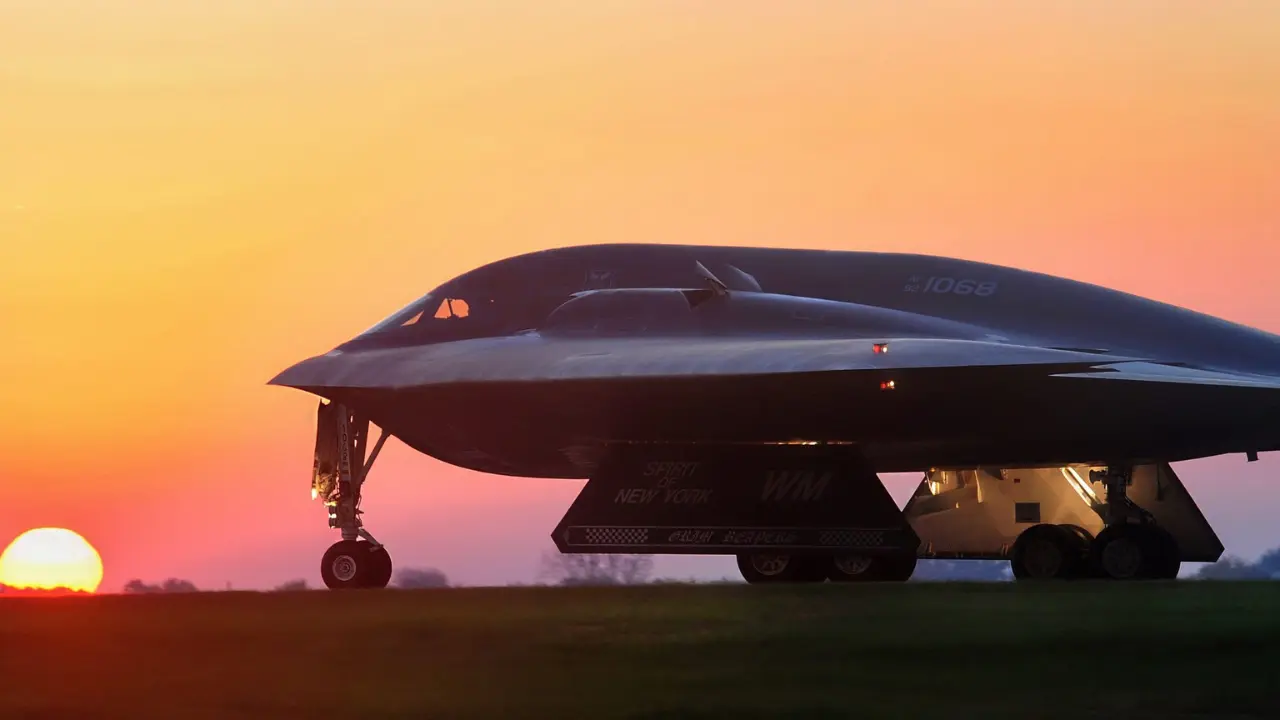
Every hour spent aloft in the B-2 Spirit stealth bomber demands approximately 119 hours of maintenance on the ground, a figure so extreme it stands nearly double the upkeep required by legacy bombers like the B-1 or B-52. This yawning gap underscores the extraordinary care intrinsic to preserving its stealth and mission readiness.
The Stealth Skins That Never Rest
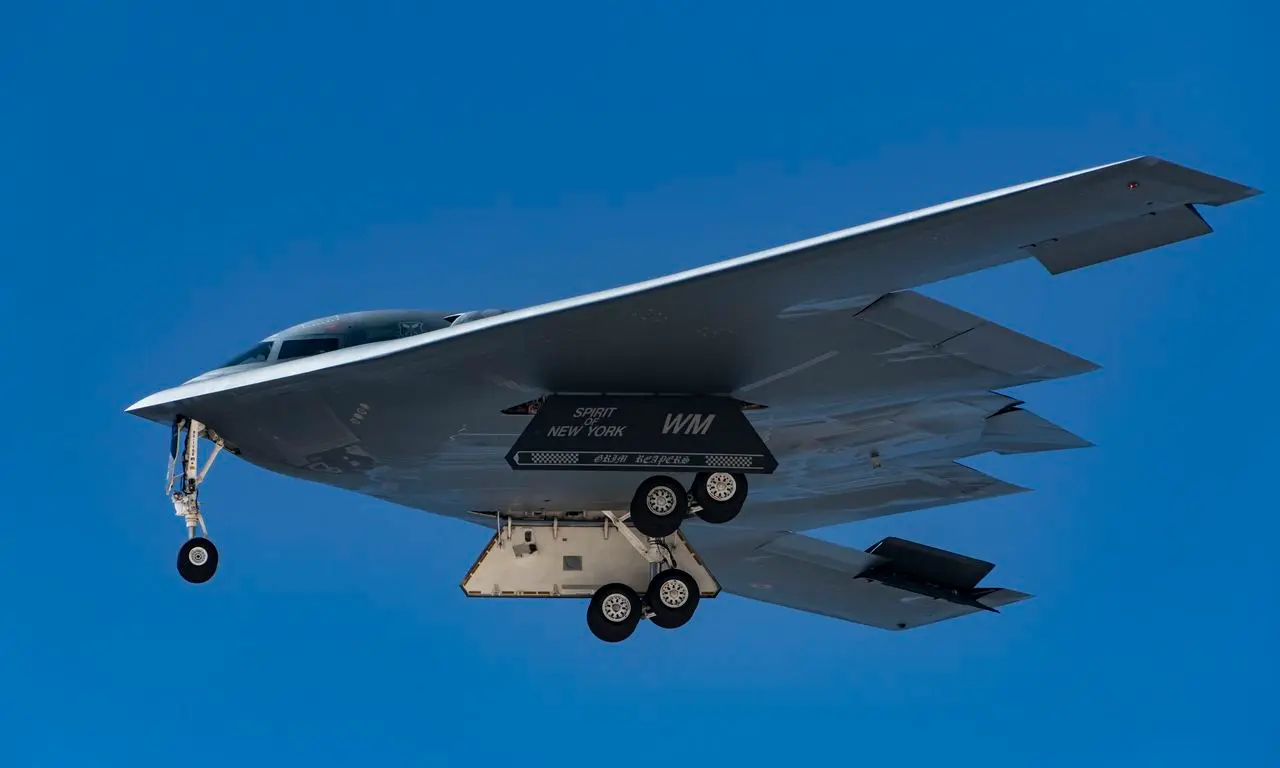
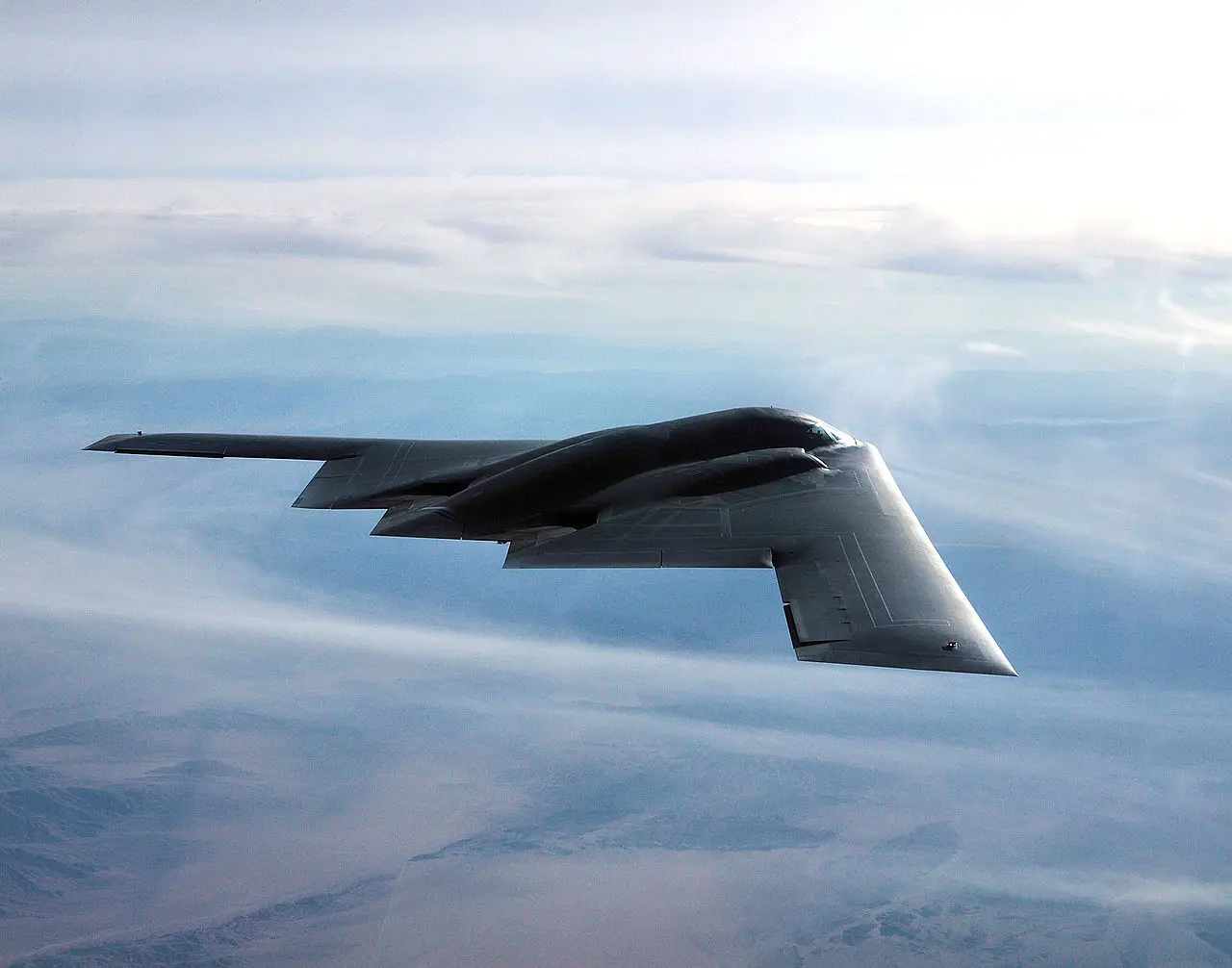
The prime driver behind this maintenance load is the B-2’s low-observable skin. Its radar-absorbing coatings and composite layers are exquisitely sensitive to environmental damage. Even moisture or heavy rain can degrade these finishes, necessitating precise repairs, and that work is both labour-intensive and urgent.
Hangars That Must Be Perfect
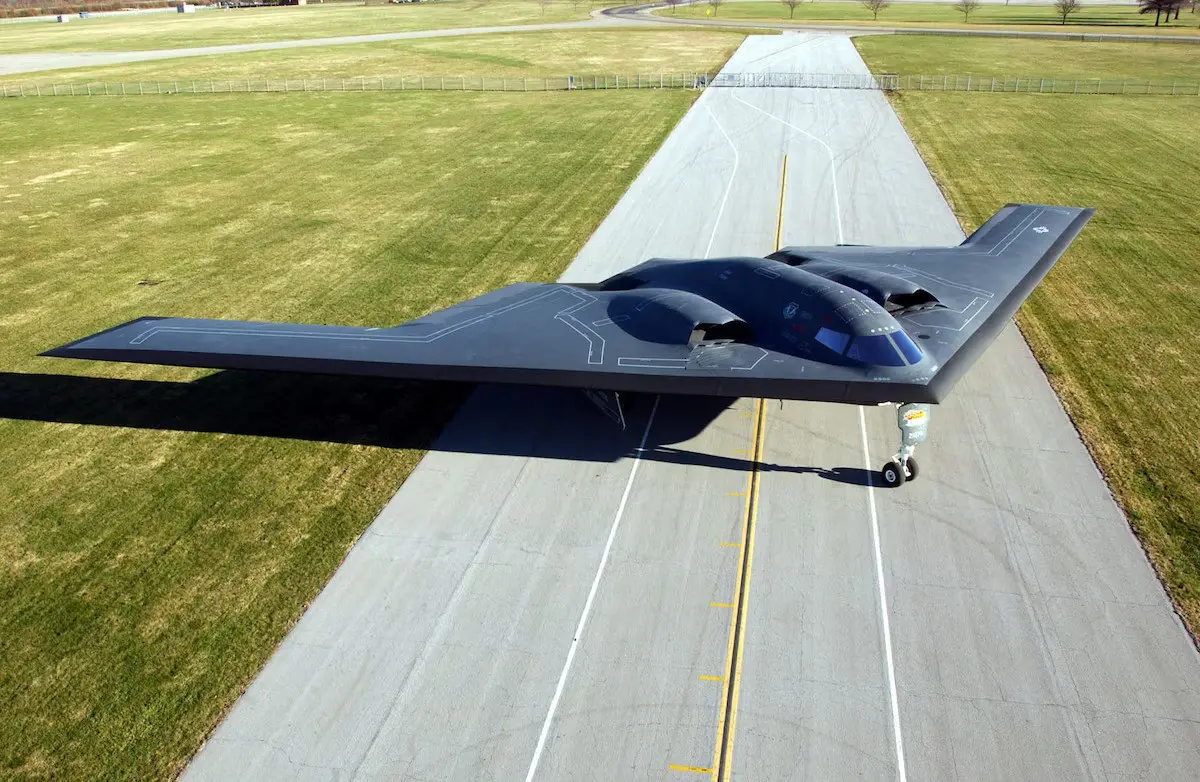
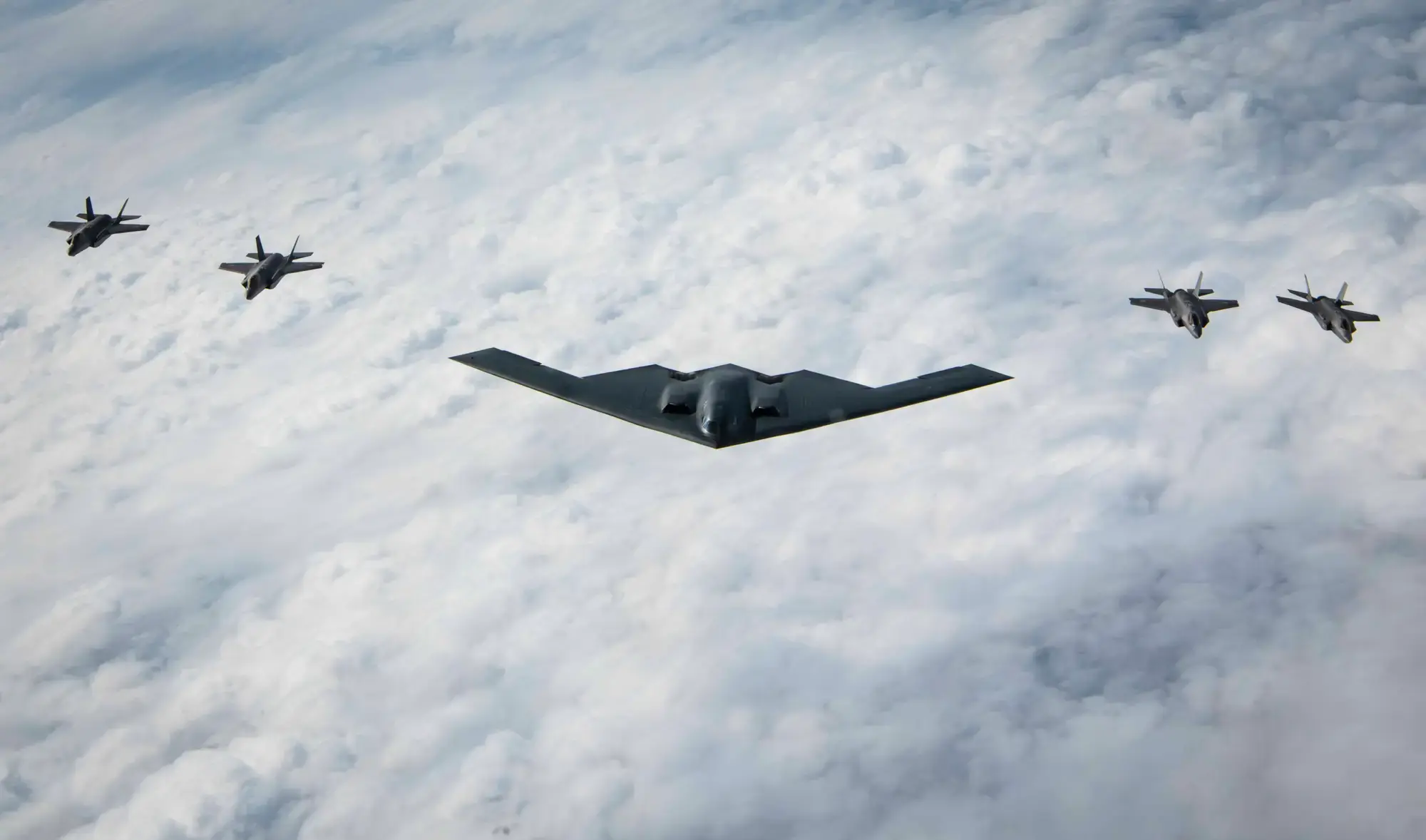
To protect this delicate stealth surface, B-2s must reside in air-conditioned hangars tailored to their expansive 172-foot wingspan. Such shelter is not just about space, it’s about a controlled environment that curbs wear on the aircraft’s signature-reducing coatings. These facilities alone cost millions to build and maintain.
Modernisation Accelerates Overhaul Cycles
Despite these challenges, recent improvements are making maintenance less punishing. The comprehensive nine-year programmed depot maintenance, traditionally taking around 470 days, has been sliced to 379 days by introducing early-stage fuel system inspections and pre-maintenance assessments.
A Human Symphony Behind Every Flight Hour
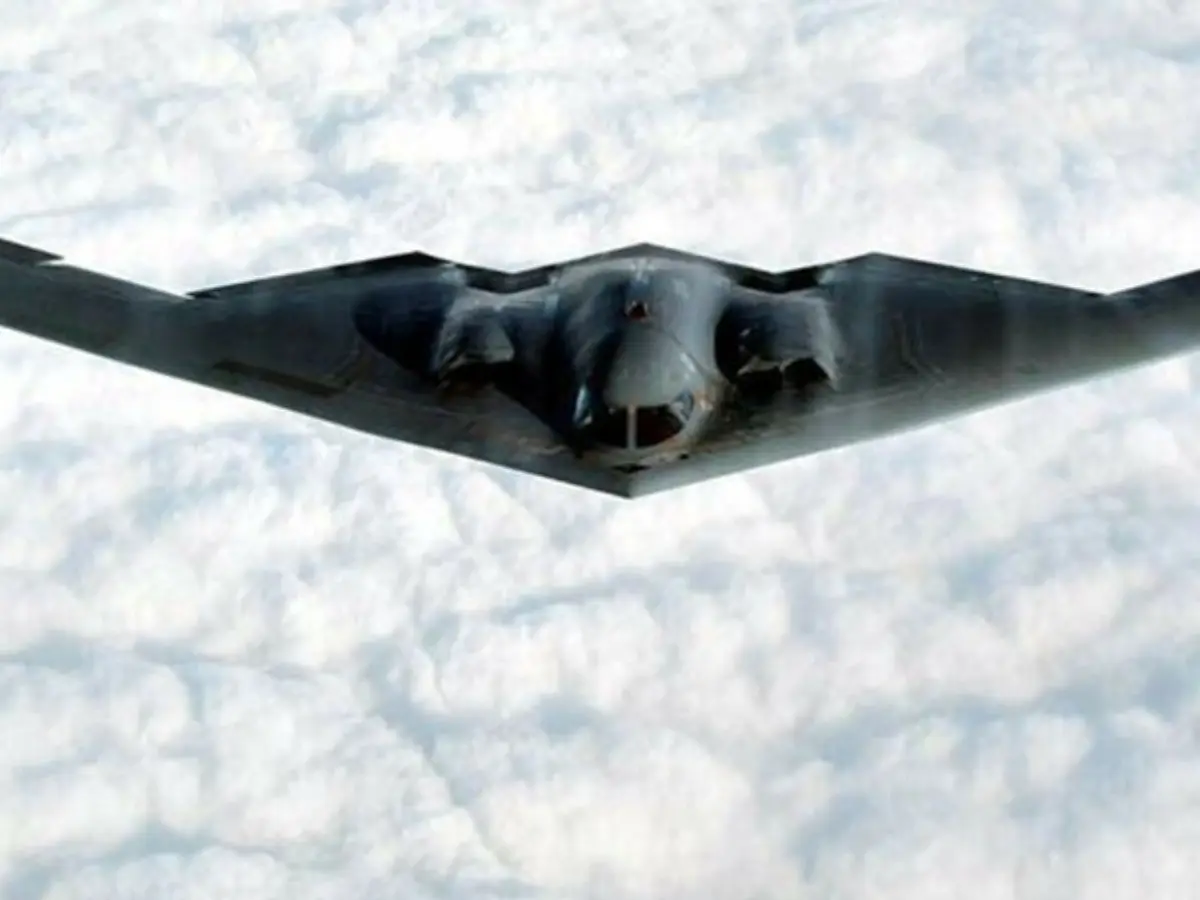
It’s not just parts and coatings; it’s people. One pilot with over 1,000 flight hours emphasised that each airborne hour equates to more than 100 hours of careful preparation by crews, planners, and life-support specialists, an unsung team that ensures every B-2 sortie starts and ends safely.
Legacy Status, Living Platform
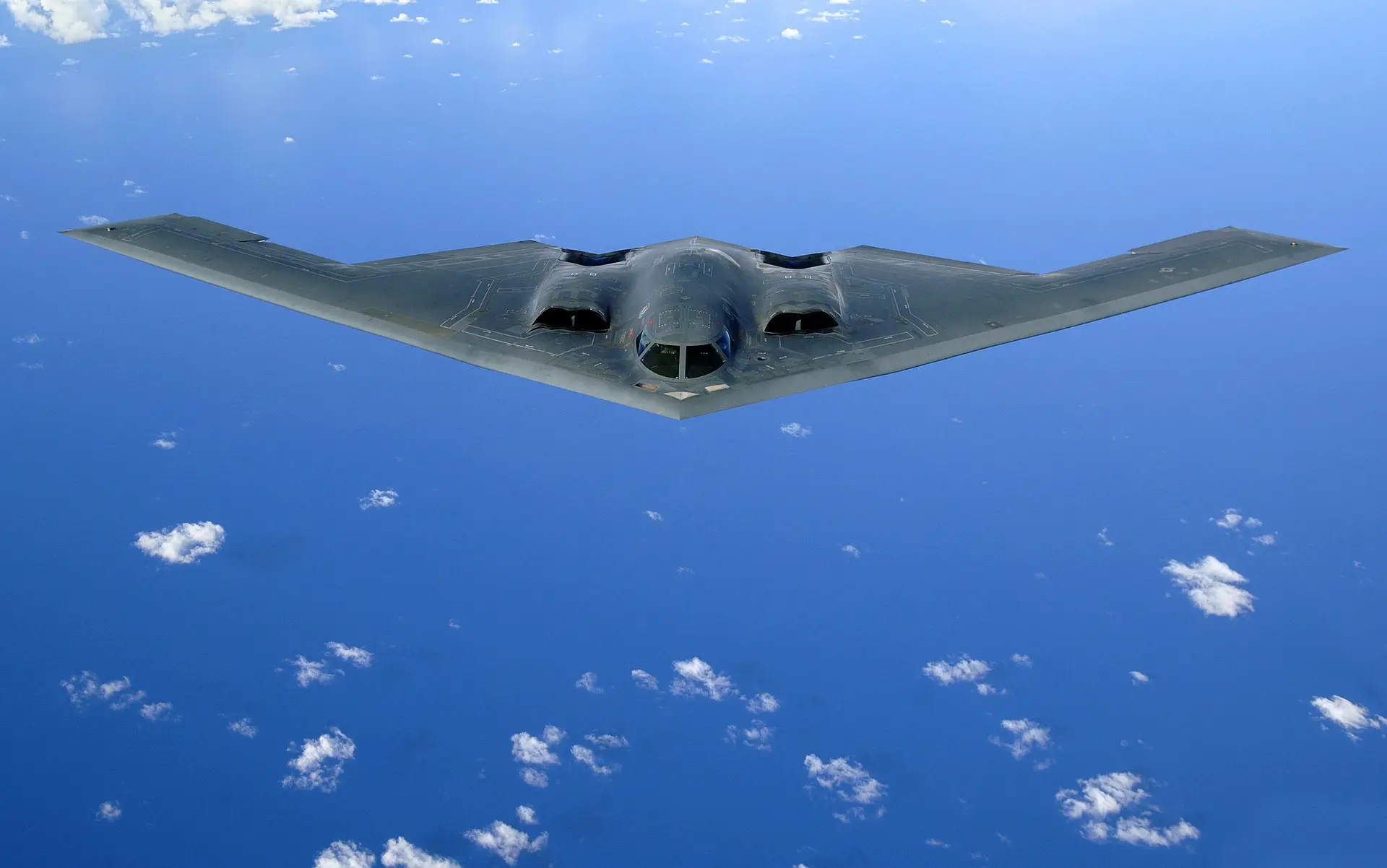
The B-2 is no relic; it remains an active cornerstone of US deterrence. Modernisation efforts, including upgrades to radar-absorbent materials and satellite communications, are under way to preserve its low-observable characteristics, extend its operational lifespan, and keep it mission-capable until the B-21 Raider arrives in the 2030s.
Conclusion
The B-2’s staggering maintenance ratio is a rational byproduct of cutting-edge stealth design. Its coatings, materials, and systems demand constant care, yet these very features are what make the B-2 an unmatched strategic asset.
)
)
)
)
)